
| Stage | Decision | What the buyer should confirm |
|---|---|---|
| 1. Target definition | Shade, depth, root, dimension and intended finish | Physical reference, colour card or clearly controlled image |
| 2. Starting material | Material suitable for the intended result | Product, length, texture and relevant material description |
| 3. Lift planning | Required lightening direction where applicable | Target result without assuming an undocumented formula |
| 4. Tone development | Warm, cool or neutral direction and visible depth | Viewing conditions and reference comparison |
| 5. Dimensional mapping | Root, highlight, lowlight or two-tone placement | Placement, transition and distribution |
| 6. Construction trial | How the colour appears in the finished extension system | Product construction, weight and hair distribution |
| 7. Approval | Physical sample and written specification | Approved reference, date and version |
| 8. Repeat control | Comparison with retained references | Current order specification and agreed tolerances |
PROFESSIONAL HAIR EXTENSION GUIDE
How Custom Hair Extension Colours Are Developed
Custom colour development links a defined visual target to starting material, processing route, blend distribution, product construction and an approved physical reference.
QUICK ANSWER
The short answer
Custom hair extension colour development begins by defining the target and selecting suitable starting material. The processing route, tone, root or dimensional placement and blend distribution are then developed for the intended extension construction. Approval should be based on a physical sample and written colour reference, because a shade name or screen image alone is not a complete production specification.
On this page
KEY FACTS
What buyers should establish first.
- Define the target using physical references where possible, not only a colour name.
- Starting material affects which processing route and finished result are practical.
- Root depth, highlight placement and blend distribution are separate specifications.
- The colour should be reviewed in the intended product construction.
- Repeat development is controlled by comparing the current batch with the approved physical reference, written colour specification and agreed tolerance under consistent lighting.
DEVELOPMENT MAP
Move from reference to approved sample in defined stages.
MATERIAL PREPARATION
Prepare the material for the intended colour and extension.
Cleaned human hair is sorted into length groups before storage and colour development. The selected material is then matched with the intended extension system, length, texture and target shade.
FROM OUR QINGDAO FACTORY
Raw Hair Length Sorting
After cleaning, raw human hair is separated into different length groups before storage. Prepared material can then be selected according to later product, colour and manufacturing requirements.
SOLID COLOUR
Process a uniform colour direction as a defined target.
For a solid colour, the required depth and tonal direction are developed around the selected starting material. Hair is processed and reviewed before it moves into the intended extension construction.
FROM OUR QINGDAO FACTORY
Solid Colour Processing
Hair is handled through a visible solid-colour processing stage in the dyeing workshop. The required target and starting material are defined separately in the production specification.
ROOTED & DIMENSIONAL COLOUR
Define which areas receive different colour treatment.
Rooted and two-tone colours are developed by controlling root depth, root length, transition and the relationship between the root and remaining hair. Sections are isolated during processing to create the required placement.
FROM OUR QINGDAO FACTORY
T-Colour (Rooted / Two-Tone) Processing
Sections of the hair are isolated during colour processing so that different areas can receive different colour treatment. Placement should be confirmed against the intended reference.
BLEND DISTRIBUTION
Treat component colours and their distribution as separate decisions.
Prepared colour components are blended to create the required distribution before product construction. Blend ratios and placement requirements are recorded within the approved colour and product specification.
FROM OUR QINGDAO FACTORY
Colour Blending Before Product Construction
Prepared colour components are blended to create the intended distribution before product construction. The approved colour combination remains part of the written specification.
PHYSICAL APPROVAL
Use physical colour references to make approval clearer.
Physical colour references support shade communication, root-tone review, blend comparison and repeat production. The final approved extension sample connects the colour reference with the selected material, construction and specification version.
COLOUR PROCESSING IN OUR FACTORY
Physical Colour References
A physical colour reference supports shade communication, root-tone review, blend comparison and repeat development when it is linked to the approved specification.
See colour processing as a factory capability · Connect colour development to a private-label range
BUYER CHECKLIST
Use this before approving a sample or specification.
- Provide a physical swatch or controlled reference where possible.
- Identify the intended extension system, length and texture.
- Define shade depth and tonal direction.
- Describe root depth, transition or dimensional placement.
- Record the component colours and intended blend distribution.
- Review the colour in the intended product construction.
- Approve a dated physical sample with the written specification.
- Keep the reference and version information for repeat development.
FAQ
Practical questions from B2B buyers.
Can a custom colour be developed from a photograph?
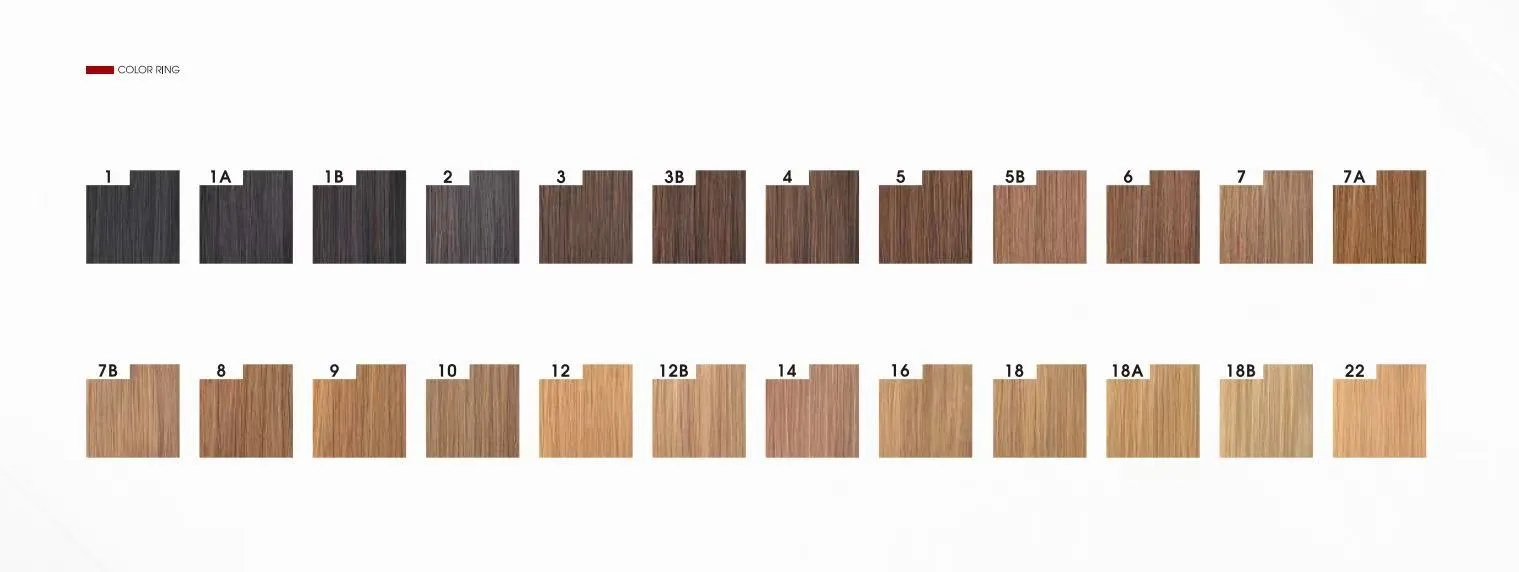
Yes. A photograph can provide the initial colour direction. For precise development, add a physical swatch, colour ring or approved sample whenever possible, then confirm the result on the intended extension construction.
What does T-colour mean?
In this guide, T-colour is clarified as rooted or two-tone processing in which different areas are treated separately to create the intended placement.
Is colour blending the same as colour processing?
No. Processing develops the component shades or areas; blending concerns how prepared colour components are distributed before product construction.
How is colour consistency controlled between orders?
Colour consistency is supported by retaining the approved physical colour reference, finished extension sample and written colour specification. Root depth, tone, component shades, blend distribution and construction are compared with the current approved version during repeat production.
Colour-development brief
Complete the fields you can confirm. This worksheet stays in this page and is not sent to us or saved after a refresh. Copy it before leaving, or print a record.
Apply this guide to a product reference
Genius WeftReview its construction, references and sample checks.Classic Tape-In ExtensionsReview its construction, references and sample checks.Injected Tape-In ExtensionsReview its construction, references and sample checks.
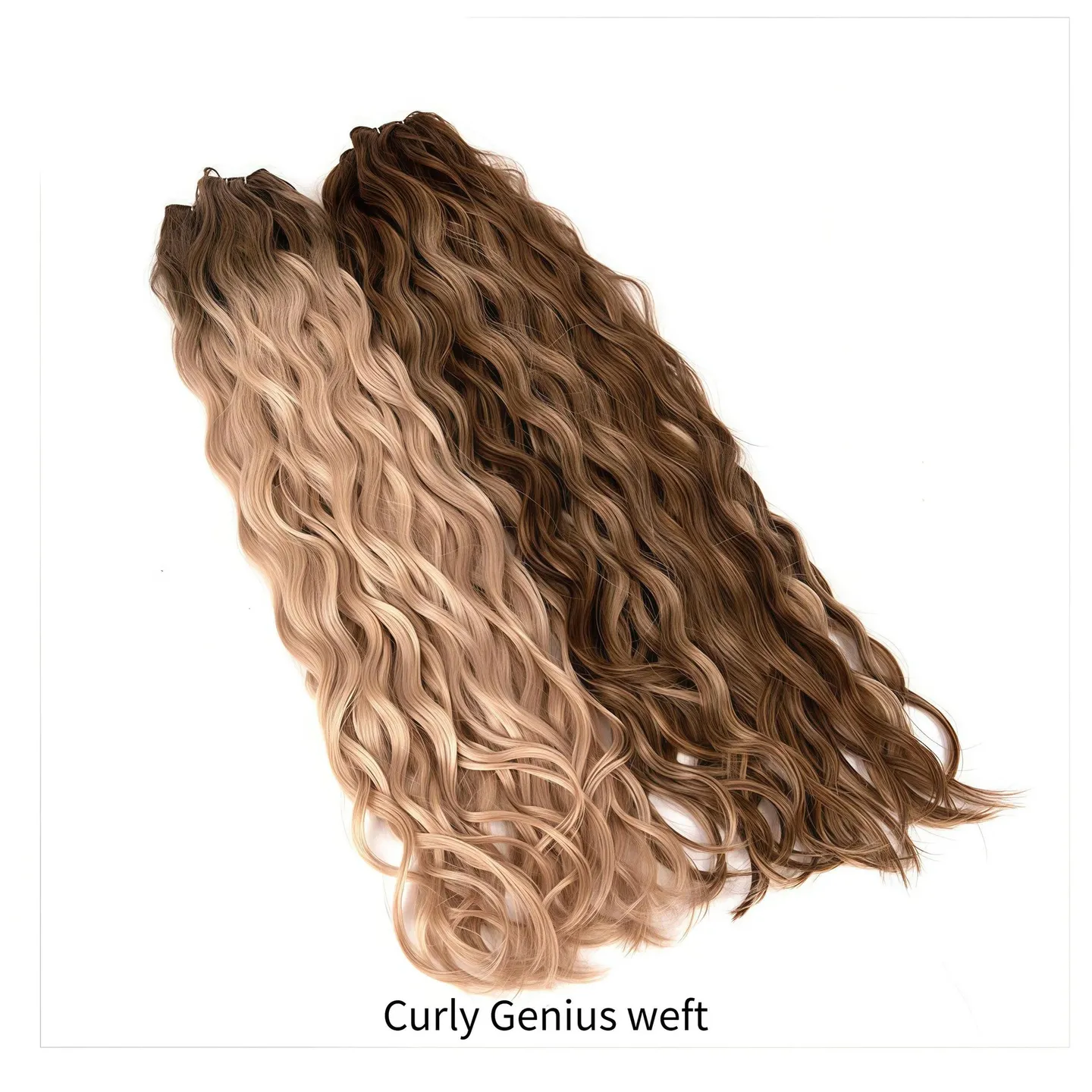
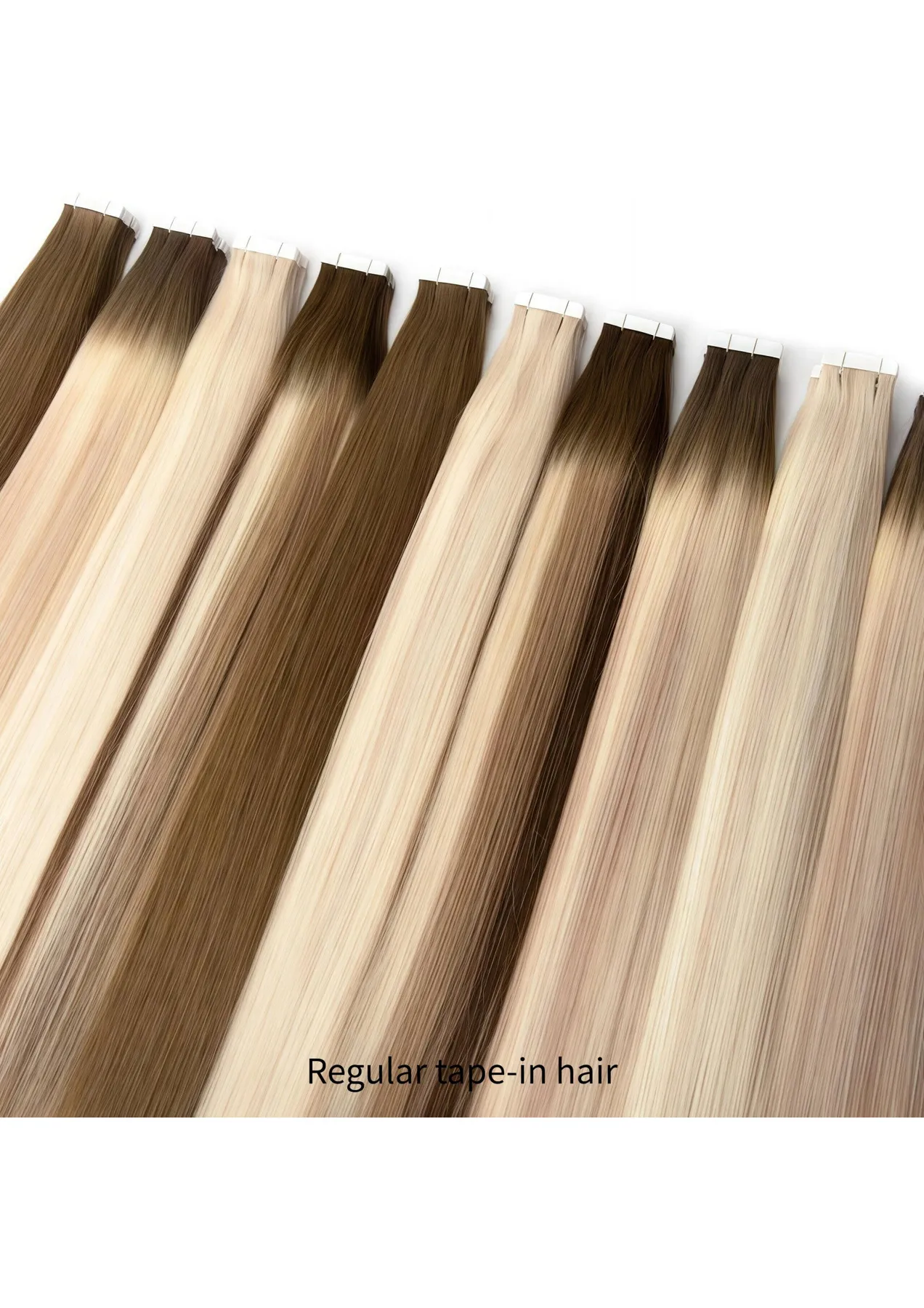
Weft colour lookbook · Tape-In colour lookbook · Coordinate private-label presentation
YOUR NEXT STEP
Develop Your Custom Colour Range
Share a physical swatch, colour ring or existing product. Our team can discuss shade matching and placement on your chosen construction.