Target colour review
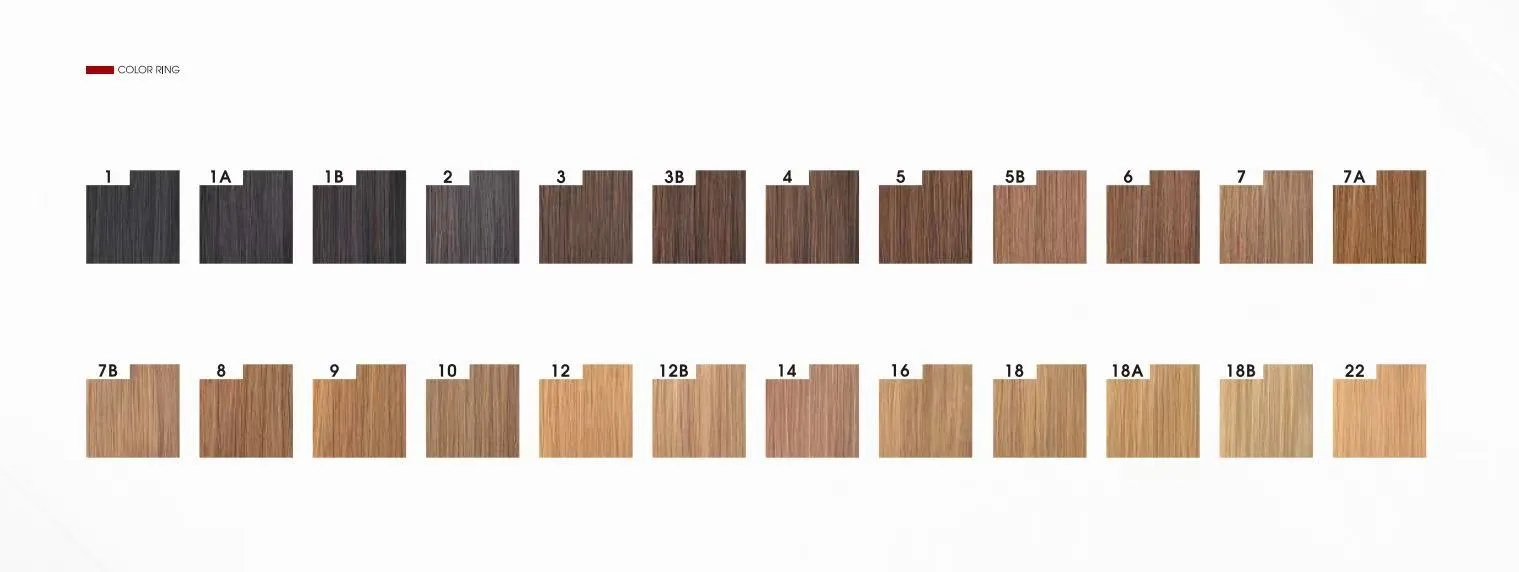
We review the target shade, reference swatch, colour ring or approved sample.

CUSTOM COLOUR DEVELOPMENT
Hair-extension colour development should consider both the starting material and the final construction. Blonde, rooted and dimensional colours can appear different once loose hair is assembled into a weft, Tape-In or individual-strand system, so demanding colours should be approved on the relevant finished construction.
COLOUR PROCESS
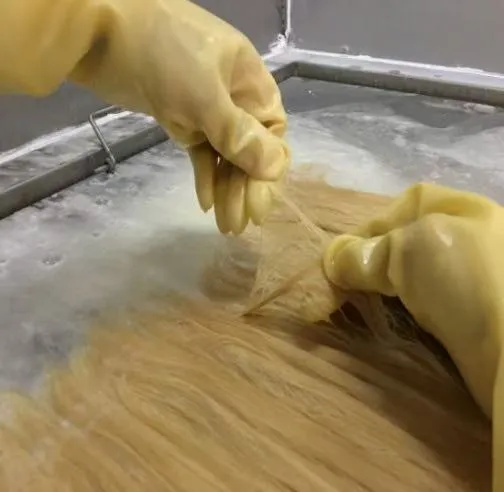
Hair colouring is not a one-size-fits-all process. Each programme is adjusted to the selected material, target shade and intended extension construction.
We review the target shade, reference swatch, colour ring or approved sample.
The starting colour, hair condition and intended result are assessed before processing.
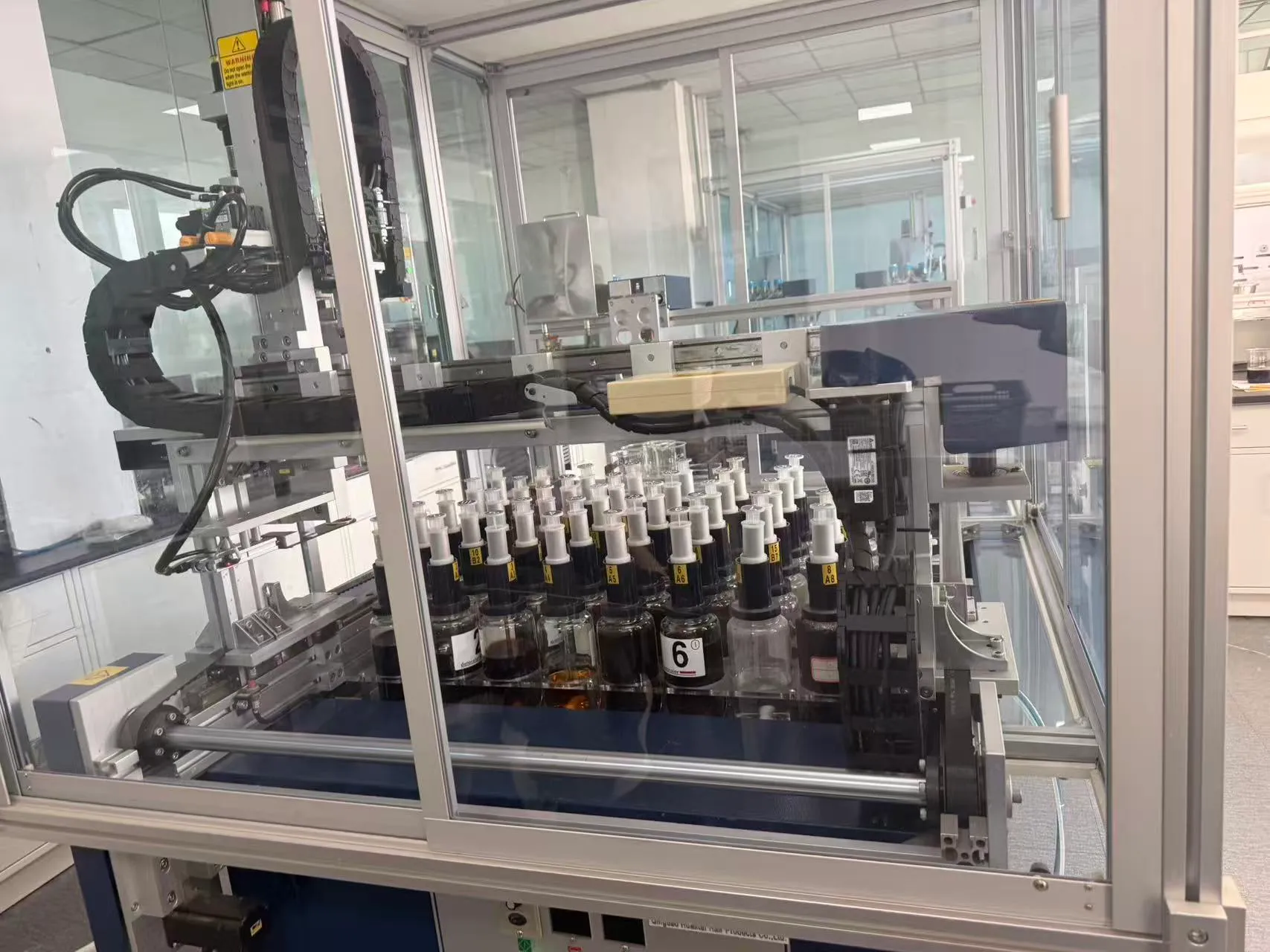
A colour formula and processing specification are prepared for the required result.
Where required, a pre-production sample is prepared in the intended extension construction for buyer approval.
Production follows the confirmed formula and process requirements.
Hair is rinsed, neutralised and conditioned according to the production specification.
The finished extension batch is reviewed for shade, blend distribution, appearance, texture and comparison with the approved reference.
Confirmed product and colour details can be retained to support repeat orders.
Achievable shades and processing methods may vary depending on the selected hair material and its previous processing history. Final colour specifications are subject to sample testing in the relevant extension construction and confirmation.
See how colour decisions connect to weft construction, Tape-In development and individual keratin-bond strands.
Select the hair area, extract reference colours and save a PNG colour board. Photo processing stays on your device unless you choose to save a specification report.
BLONDE MATERIAL & PROCESSING
Very light blonde shades require more pigment removal and tonal correction than darker colours. This places greater demands on the starting material and processing control. Premium blonde production therefore begins with suitable hair selection, controlled lightening, careful toning and physical sample approval rather than simply processing the same material used for dark shades more aggressively.
The colour number describes the visual target, not how the product reached it.
Two #60 extensions may use different starting hair, different levels of lift, different tonal correction and different finishing processes. As a result, they can look similar when new but behave differently after washing, heat styling and repeated wear.
Colour level describes how light or dark the hair appears. Tone describes the colour direction within that level, such as ash, beige, gold, warm, cool or neutral. Two extensions can be at the same level but look different because their tones differ. For custom development, level and tone should be recorded separately and approved on the intended extension construction under consistent lighting.
Not necessarily. Dark, medium, blonde and highly processed dimensional shades may require different starting-material routes.
A premium manufacturer selects material according to the final colour and processing requirement rather than applying one material claim to an entire colour range.
Yes. Prime Human Hair develops light blonde and other processed colours by selecting suitable starting hair, controlling the required lift and tonal direction, and confirming the result on the intended Weft, Tape-In or individual-strand construction. A physical colour reference and finished-product sample are used for approval.
Yes. Development can begin from a physical swatch, colour ring, approved sample or clear reference image. Root depth, transition, component shades, blend distribution and placement are recorded separately so that the finished colour can be repeated on the selected extension construction.
See how colour fits into a complete high-end extension specification.
COLOUR PROCESSING IN OUR FACTORY
The videos below show solid-colour processing, rooted and two-tone colour work, and the blending of prepared colour components in our Qingdao factory. Each stage is developed around the target shade, selected starting material and intended extension construction before sample approval.
Begin with a clear target reference and the intended extension system. Select the starting material, establish colour level and tone, define roots, highlights or blend distribution, produce a finished-product sample and review it under consistent lighting. Once approved, retain the sample and colour specification as the production reference.
FROM OUR QINGDAO FACTORY
Hair is handled through a solid-colour processing stage developed around the target shade and selected starting material.
T-colour is a factory term often used for a rooted or two-tone colour structure. Sections of the hair are controlled or isolated so different areas can receive different colour treatment.
Premium T-colour production should control root depth, root length, transition, tonal direction and the relationship between the root and the remaining hair.
FROM OUR QINGDAO FACTORY
Sections of the hair are isolated so that root depth, transition and colour placement can be developed to the intended reference.
Colour mixing controls more than the names of the component shades. The proportion and distribution of different coloured fibres affect the final visual result, especially in blends, highlights and dimensional colours.
A well-made blend should look evenly integrated rather than forming unintended colour bands or patches.
FROM OUR QINGDAO FACTORY
Prepared colour components are blended to create the required shade distribution before product construction.
A phone photograph can provide an initial colour direction, but lighting, camera settings and screen display can alter the shade. For precise colour development, add a physical swatch, colour ring or approved product sample whenever possible. The final colour should be confirmed on the intended extension construction.
COLOUR PROCESSING IN OUR FACTORY
Physical references support shade communication, colour approval, root-tone review, blend comparison and repeat development when linked to the approved specification.
REPEAT ORDERS
Confirmed product and colour requirements can be retained to support future production. Each repeat order is still reviewed against the applicable material and order specification.
START A PRODUCT CONVERSATION
Share a colour swatch, target shade, reference image or physical sample together with the intended extension construction and material requirements.