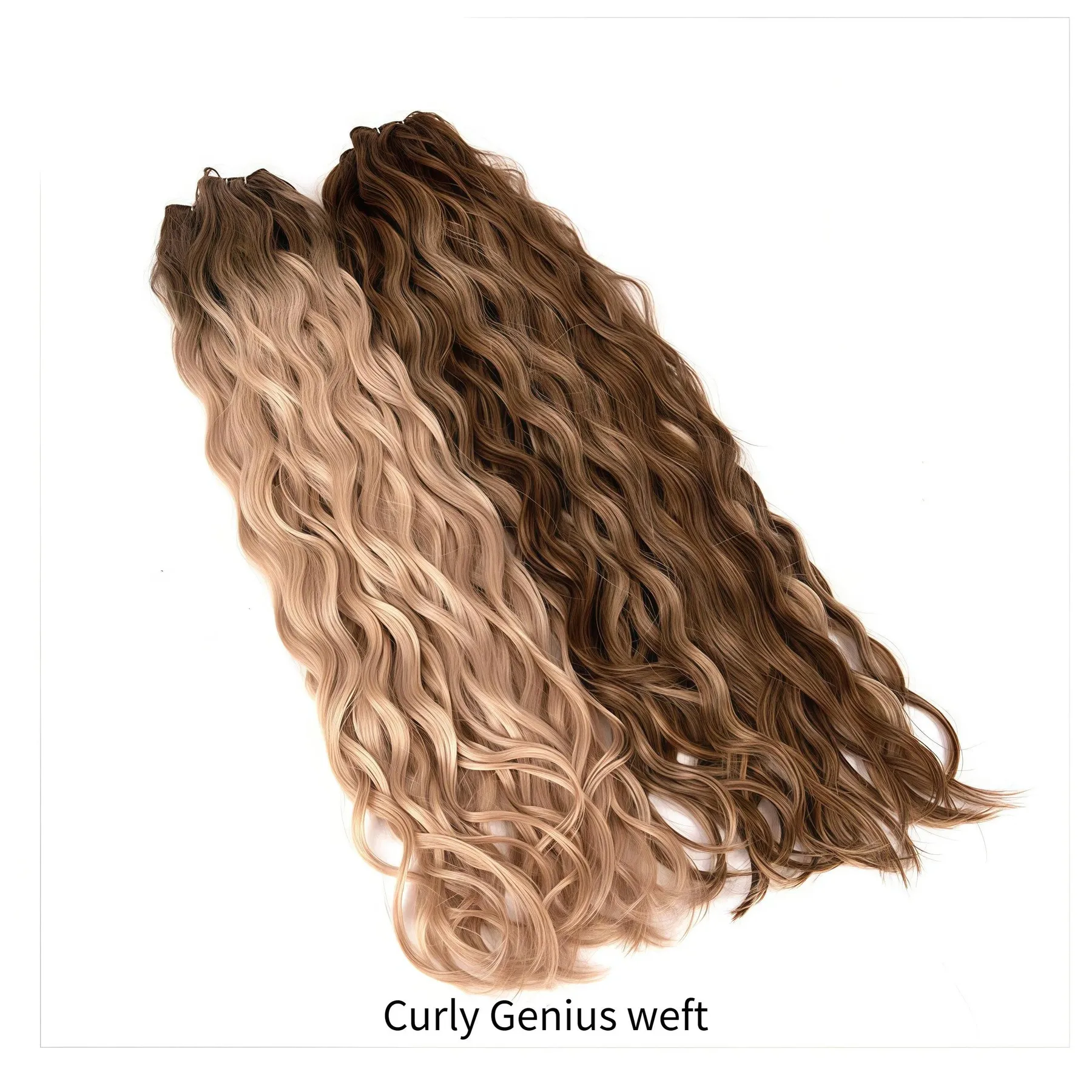
Genius Weft
We supply Genius Weft hair extensions, including no-return-hair constructions, for salons and hair-extension brands. Choose your product reference, length, colour and net hair weight, then enquire about samples and wholesale pricing.
OEM & PRIVATE LABEL
Create a hair extension collection that reflects your brand and your customers’ expectations. We help you choose products, develop custom colours and specifications, and bring the range together with branded labels, cards, bags and boxes.
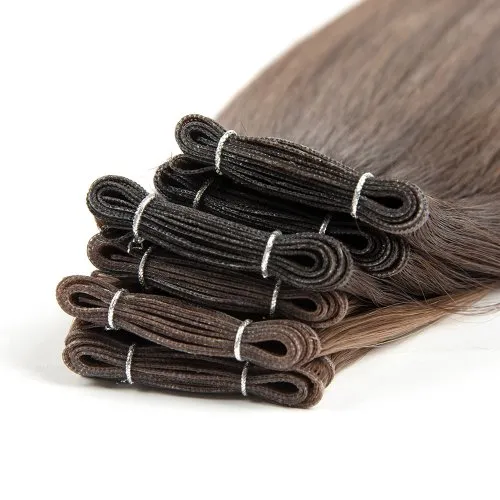
Choose the products for your collection, explore colour and construction options, and add your selections to the Enquiry List.
We supply Genius Weft hair extensions, including no-return-hair constructions, for salons and hair-extension brands. Choose your product reference, length, colour and net hair weight, then enquire about samples and wholesale pricing.
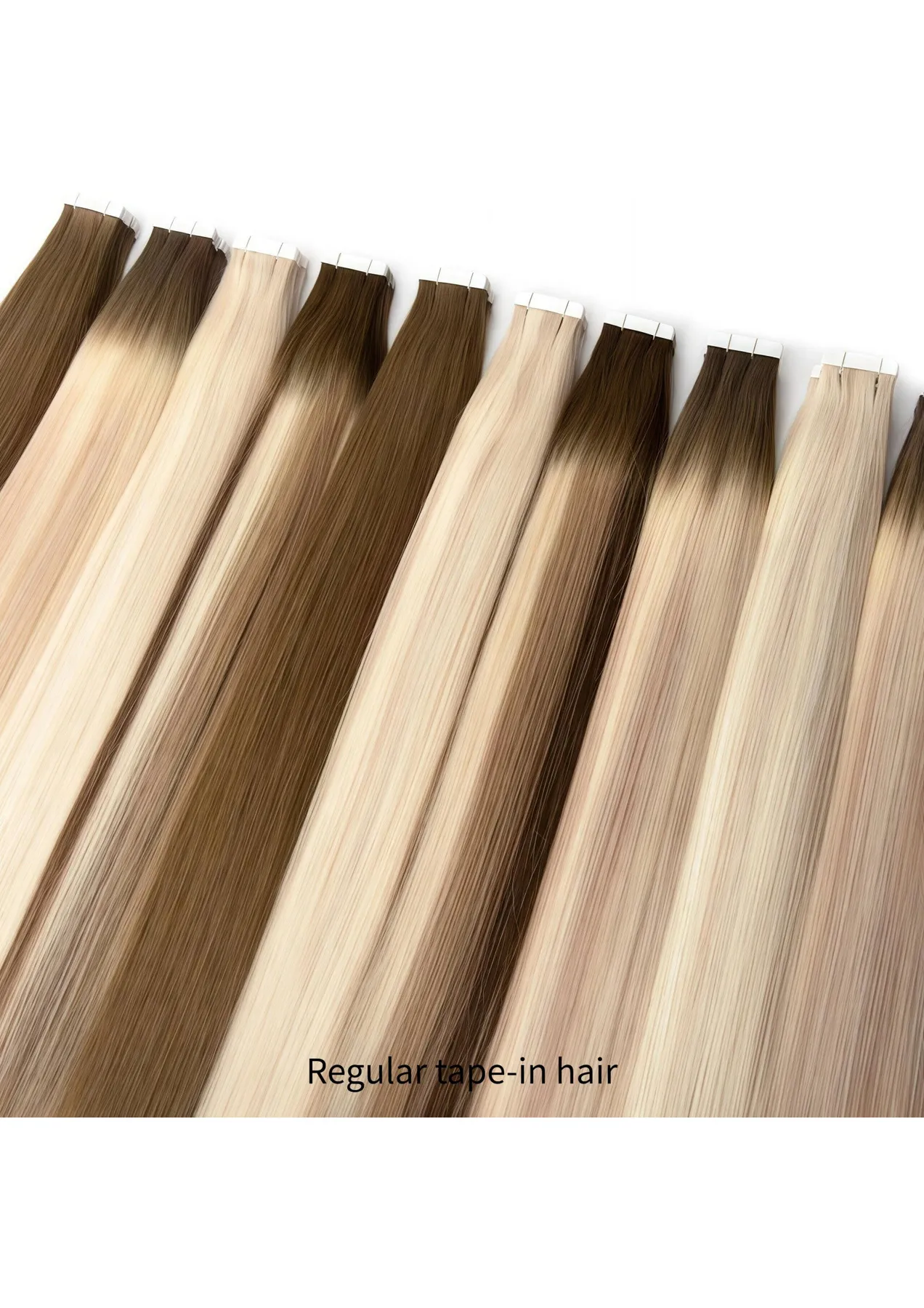
Classic Tape-In human hair extensions for salon brands and wholesale collections. Customize hair quality, tab dimensions, piece weight, length, colour and packaging.
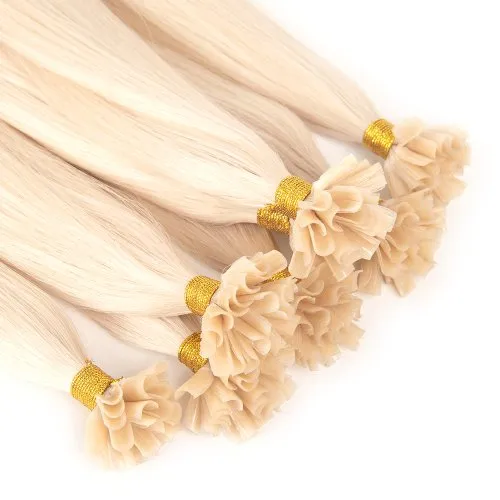
A keratin extension with a U-shaped bond format. Review the bond shape and dimensions, strand weight and pack quantity before developing the hair and colour specification.
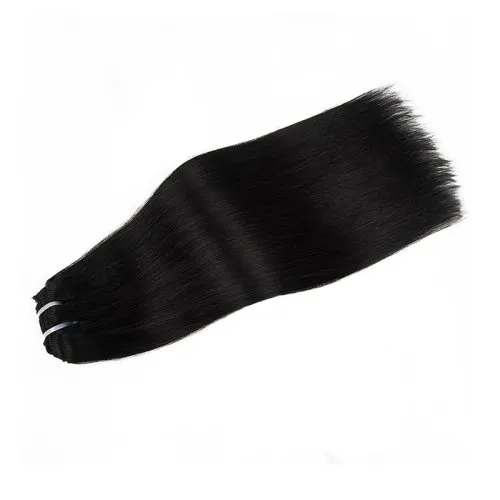
Classic Clip-In human hair sets for brands, salons and distributors. Develop the piece layout, clip arrangement, set weight, length and colour, with private-label packaging for your collection.
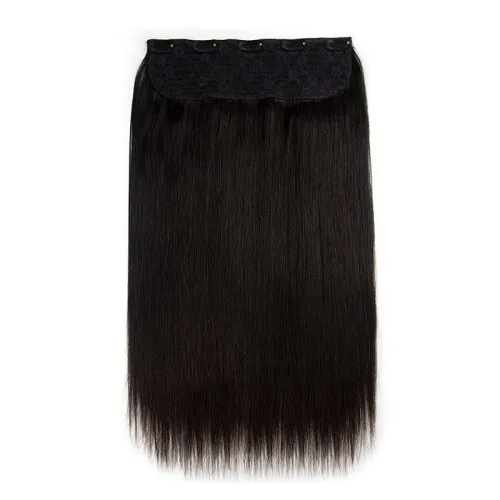
A halo construction using a wire-based set format. Confirm the wire, fit-related construction and hair weight together with the desired colour and texture.
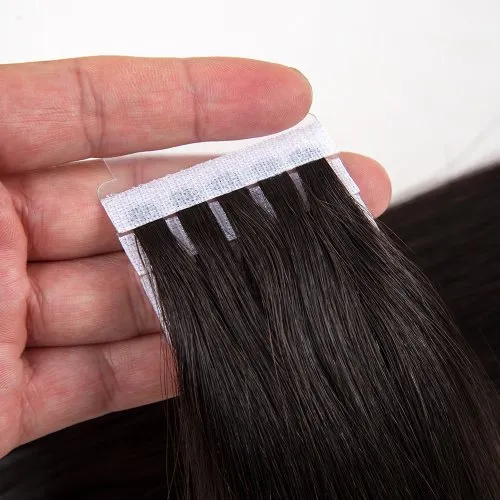
The V-Light reference is a fine-strand system for the intended professional application method. Confirm the system-specific format and hair specification with the selected reference.
Bring your brand to the finished product with custom labels, product cards, bags and boxes. Packaging development follows the approved product and colour sample, so dimensions, presentation and product information work together.
| Presentation | Information to share | Confirm before production |
|---|---|---|
| Labels | Logo, product name, colour and length identifiers | Correct identity and approved specification version |
| Product cards | Artwork and required product information | Content, layout and pack configuration |
| Bags | Branding and intended product / set | Fit and presentation with the sample |
| Boxes | Artwork, product configuration and packaging direction | Dimensions and finished presentation |
Share your logo files, existing packaging or preferred presentation. We develop the artwork and packaging alongside your product requirements, with confidential handling and NDA support available for discussion.
Develop a coordinated colour range · Review OEM and ODM development routes · Share your private-label brief
QUICK ANSWER
Private-label hair extensions allow a business to sell extension products under its own brand while defining the required product construction, hair specification, colour range, dimensions, weights and packaging. Prime Human Hair develops private-label human hair extensions for brands, wholesalers, distributors, salons and e-commerce businesses.
PRODUCT RANGE
Private-label programmes may include:
The available options depend on the intended product specification.
CUSTOMISATION
Start with the product, not the packaging. Define the extension system, target material, core lengths, colour range, weights, construction and target customer.
Develop and approve samples first, then finalise colour names, labels, cards, bags and boxes around the approved products.
| Specification | Development options |
|---|---|
| Product system | Weft, tape, tip, clip and selected advanced systems |
| Hair material | Product-specific human-hair options |
| Length | Custom |
| Colour | Selected or custom developed |
| Texture | Specification based |
| Weight | Custom according to product |
| Dimensions | Product dependent |
| Construction | Custom within manufacturing capability |
| Labels | Custom |
| Product cards | Custom |
| Bags | Custom |
| Boxes | Custom |
Choose the product system first, then approve a measurable specification. A white-label discussion may start from an existing reference; a custom OEM programme changes agreed product fields. In either case, confirm the actual construction, branding scope and sample instead of assuming that the service name defines them.
| Product system | Key specifications | Typical buyer checks |
|---|---|---|
| Genius Weft | Seam, finished width, net hair weight, colour and section count | Return hair, permitted cut edge and construction consistency |
| Tape-In | Tab dimensions, weight per piece, adhesive format and pack count | Hair attachment, base condition and replacement-tape compatibility |
| Clip-In | Complete-set weight, piece widths, piece count and clip layout | Clip security, colour continuity and consistency across the full set |
| K-Tip / I-Tip | Weight per strand, bond or tip dimensions and strands per pack | Bond structure or intended ring compatibility; do not interchange attachment systems |
| Bulk Hair | Bundle weight, usable length, material, colour and texture | Root-to-tip alignment, preparation and processing description |
| Human Hair Wigs | Cap, lace/top layout, density distribution, hairline and parting | Fit, finished construction, piece weight and packaging |
Hair-quality options include Premium Remy, Cuticle Remy, Fully Cuticle-Intact Remy. These are Prime Human Hair definitions, not globally standardised certification grades. Record the chosen definition, processing route and approved sample with the SKU.
For gram-based extensions and bulk hair, standard starting quantities are 100g per solid colour and 200g per T-Color or mixed colour. The final minimum depends on construction, colouring and order size; sample and trial quantities are quoted separately.
Minimum quantities are quoted per finished piece according to the base or cap, colour and customization requirements. Gram-based extension minimums do not apply to wigs, toppers, closures or frontals.
Retain the approved product, physical shade reference and packaging artwork under one revision. A later change to the hair grade, rooted-colour placement, attachment, set count or label requires an explicit review before repeat production.
Plan a first sample collection · Work through the MOQ order matrix · Wig OEM references
Use the RFQ worksheet with your product, length, weight unit, grade, colour, texture, quantity, sample requirements and packaging files. Send the brief for review.
DEVELOPMENT WORKFLOW
SUPPLIER REVIEW
Ask how the manufacturer defines the hair material, how colours are developed, how weight and length are measured, how construction is controlled, what sample approval process is used, what tolerances apply to bulk production and how repeat orders are compared with the original approved reference.
MANUFACTURER SELECTION
Look for a manufacturer that can explain the product in measurable terms rather than only using grade names.
A strong manufacturing partner should be able to explain material selection, colour processing, product construction, sample approval, tolerances, quality control and repeat production through physical samples, written specifications and actual factory production.
BUYER WORKSHEET
Use this checklist when comparing factories, not as a supplier score or certification. Keep the supplier’s answer, supporting sample or document, your observation and the approval date together. An attractive sample does not by itself establish repeat-order consistency.
| Checkpoint | Evidence and practical check | Record before approval |
|---|---|---|
| Business and manufacturing scope | Confirm the business identity, production location and which steps are performed in-house or by partners. Request dated workshop photos and relevant production records. | Contact, responsible party and scope; verify any certification separately with its issuer. |
| Material and cuticle | Ask what Remy and cuticle-intact mean for this product and what processing is disclosed. Inspect cuticle condition separately from first-touch feel. | Material definition, permitted processing and supporting inspection method. |
| Length and net weight | Use one agreed length method; for waves and curls record whether measured relaxed or extended. Distinguish hair-only from finished-piece and packaged weight. | Units, measurement method, piece count and agreed tolerances. |
| Double drawn and end fullness | Compare the distribution of fibre lengths and lower-length density with a retained reference. A double-drawn label is not one universal percentage. | Approved fullness profile and how it will be compared across samples. |
| Colour and wash evaluation | Compare physical colour references under consistent lighting. Record wash products, water conditions, handling, drying and changes in tone, texture, tangling or fibre release. | Before/after observations and agreed pass criteria; do not invent a universal wash-cycle threshold. |
| Dyeing suitability | Ask whether further colouring is supported for the selected material and shade. If permitted, have a professional test a separate strand. | Restrictions and test result; human hair does not automatically mean safe to bleach again. |
| Genius or Butterfly structure | Inspect seam or tab dimensions, return hair, connection layout and allowed cut points. Repeat checks after the agreed care procedure. | Exact construction code, installation compatibility and any edge-securing requirement. |
| Tape-In attachment | Inspect tab size, hair distribution, tape configuration and professional application/removal compatibility. Evaluate attachment residue separately from the hair. | Selected tape, replacement procedure and sample observation; not a generic wear-time promise. |
| MOQ and quotation | Separate sample quantity, bulk minimum, colour-level minimum and packaging minimum. Compare the same construction, weight and pack configuration. | Written quotation, currency, validity, payment stages and exclusions. |
| Packaging and identification | Approve artwork, spelling, shade codes, product units, care information and the physical pack where relevant. | Artwork version, pack contents and batch/reference identification. |
| Sample and bulk acceptance | Keep matching reference samples with the buyer and supplier where possible. Agree sampling, tolerances, inspection timing and handling of nonconforming goods. | Signed or otherwise recorded approval, specification version and remedy process. |
| Shipping and repeat orders | Confirm destination, delivery terms, duties/responsibilities, documentation, production timing and approval dependencies. Reconfirm changes before a reorder. | Dispatch plan and responsibilities; a shipping estimate is not a guaranteed arrival date. |
Turn the checklist into an OEM brief · Record sample observations · Compare quotations on the same basis
COLOUR DEVELOPMENT
Private-label extension collections commonly require a structured colour assortment. Colour development can be discussed using:
The starting material affects achievable colour and processing.
WHO WE WORK WITH
Expand an existing product portfolio.
Develop a focused initial range rather than purchasing many unrelated stock products.
Create salon-branded extensions for regular clientele.
Develop repeatable product specifications for regional markets.
FAQ
No. Agree the usable-length method and required end-fullness profile with a retained physical reference. Ask how length distribution is checked; do not assume a supplier’s label means a fixed industry-wide percentage.
Ask separately about samples, bulk product, quantity per colour or length, and branded packaging. Record the unit used for each minimum. A minimum quoted in grams cannot be compared directly with a minimum quoted in pieces without the agreed piece weight.
Agree inspection timing, tolerances, the sampling approach and the nonconformance process before ordering. Identify the batch and specification version, document the difference under the agreed method and contact the supplier before modifying the goods. Any replacement, rework or other remedy must follow the agreed commercial terms.
Yes. Depending on the project, development may include custom product specifications, colour ranges, pack configurations, labels, colour codes, product cards, bags and boxes. The product and physical sample should be approved before final packaging is produced.
Yes. Send your current product, approved sample or written specification. We can develop the hair quality, length, weight, colour, texture, construction and packaging around your requirements. Confidential handling and NDA support can be discussed for your project.
Yes. Begin with the buyer's current written specification and approved reference sample. Select one representative construction and one technically demanding colour, then compare usable length, net hair weight, end fullness, colour, dimensions and attachment construction. Complete the same wash and application tests before approving the backup sample. Once approved, retain the physical sample and specification version as the reference for repeat production.
Yes. Provide the intended extension system, material, length, weight, colour, texture, construction, packaging and estimated quantity. Prime Human Hair will prepare the applicable sample plan. Review the sample for measurable product details and practical performance before approving it as the bulk-production reference.
Price depends on starting material, usable length, net hair weight, end fullness, colour difficulty, texture, construction, attachment dimensions, packaging, quantity and custom development work. Two products with the same nominal length are not directly comparable until those variables are normalised.
Send the extension systems, core lengths, colour range, target weights, construction requirements, pack configuration, estimated quantity per SKU and packaging direction. Include your logo files, label requirements, current product sample, colour ring or specification when available.
START A PRODUCT CONVERSATION
Share your product direction, colour references and packaging requirements.