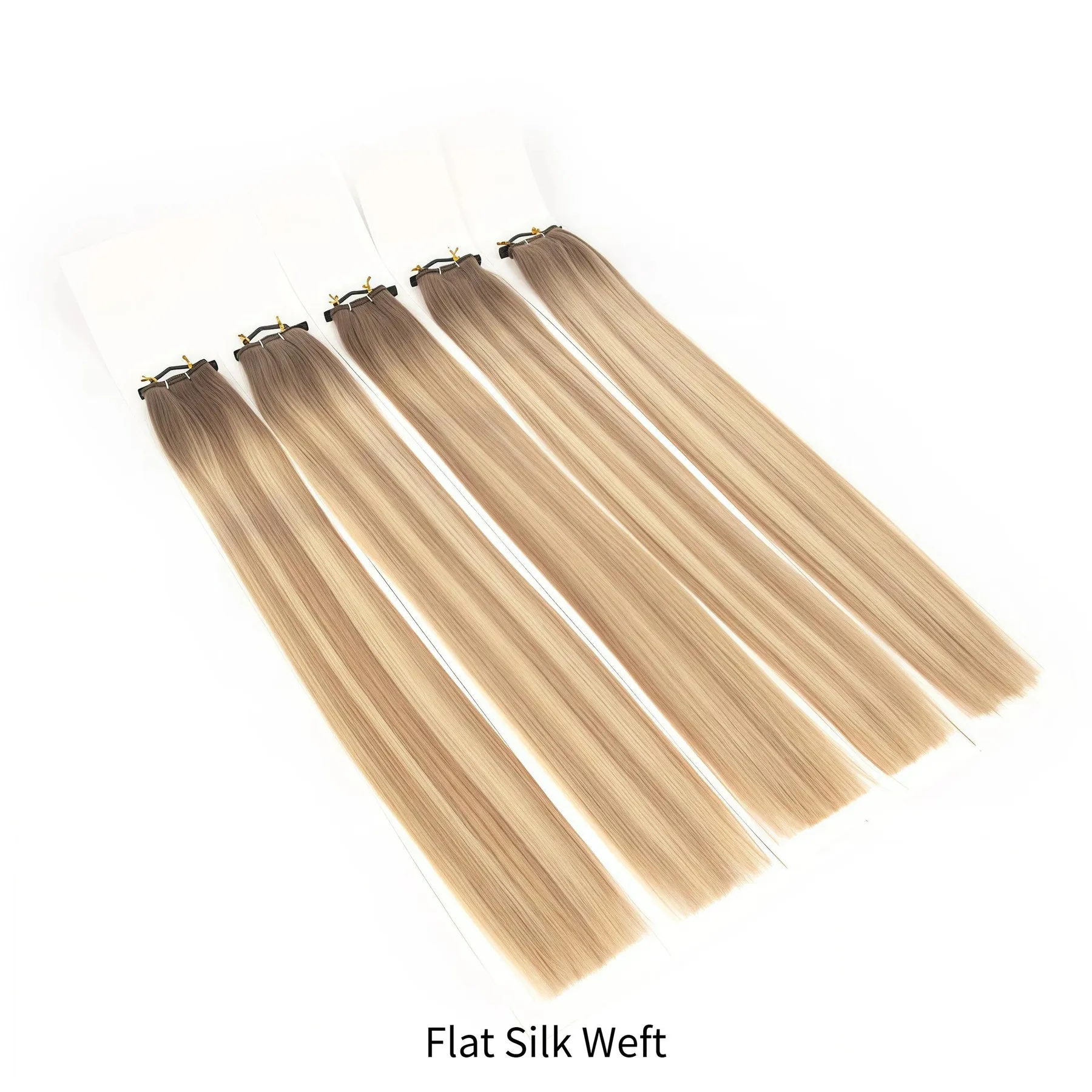
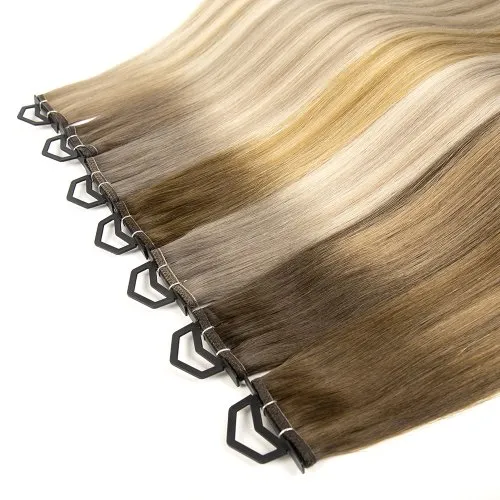
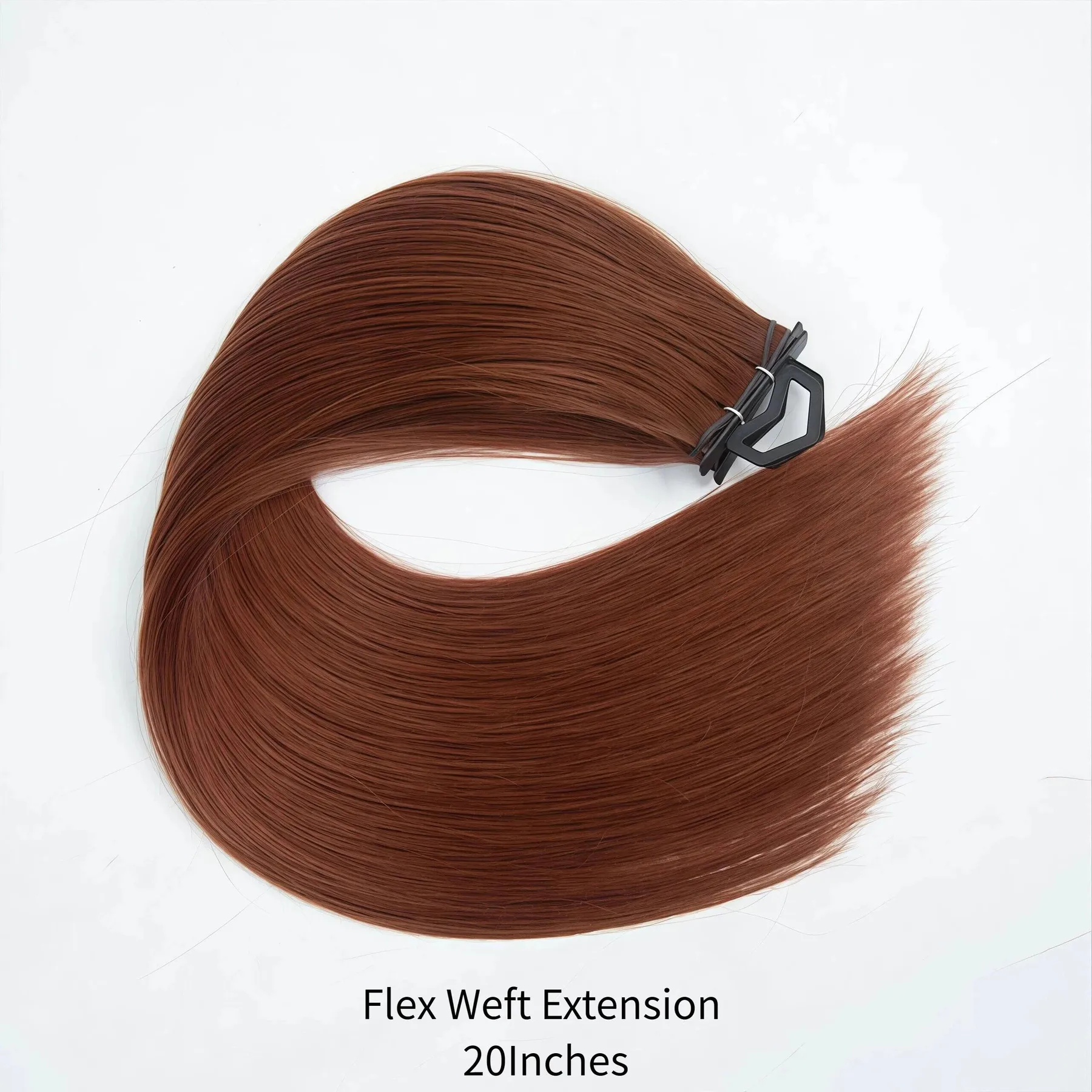
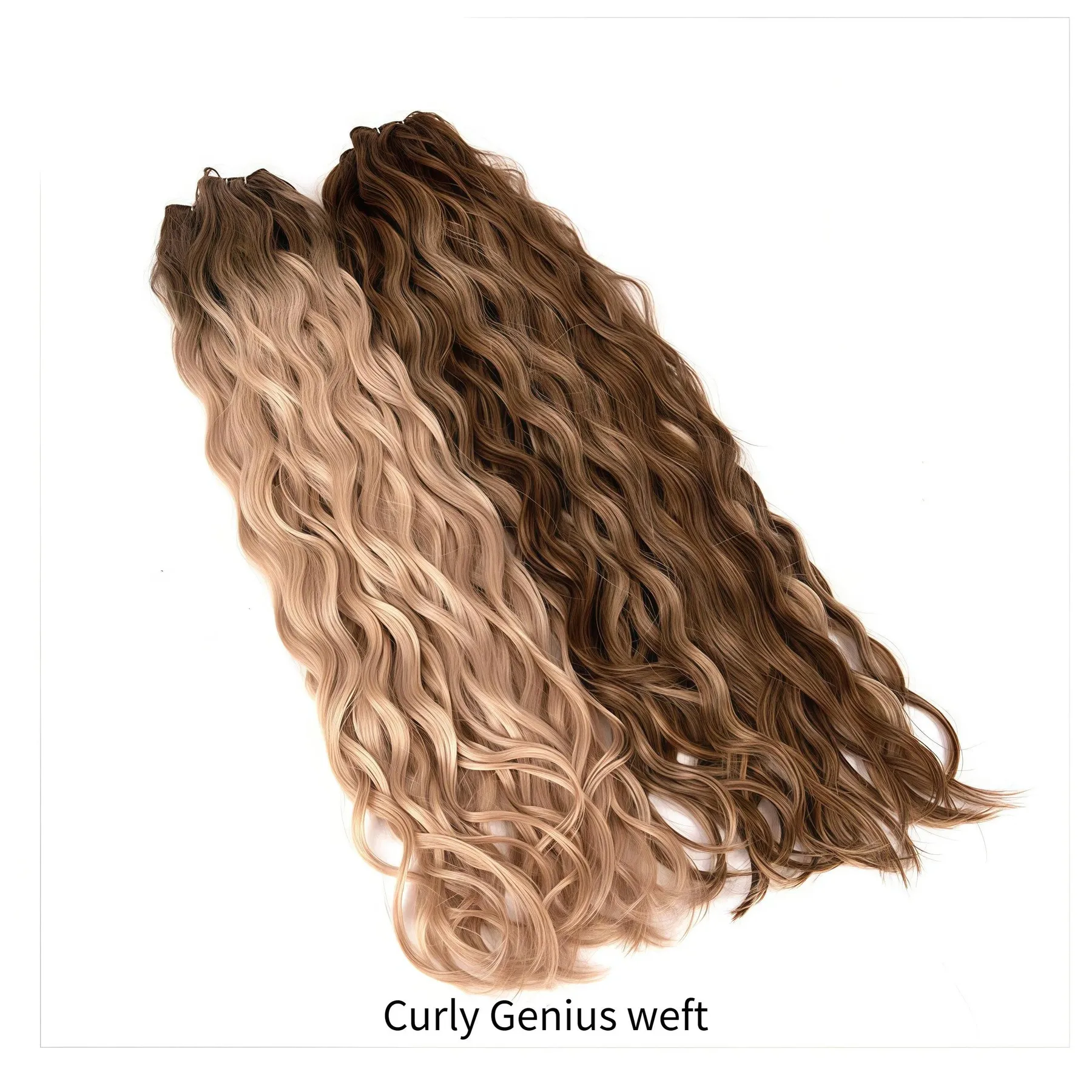
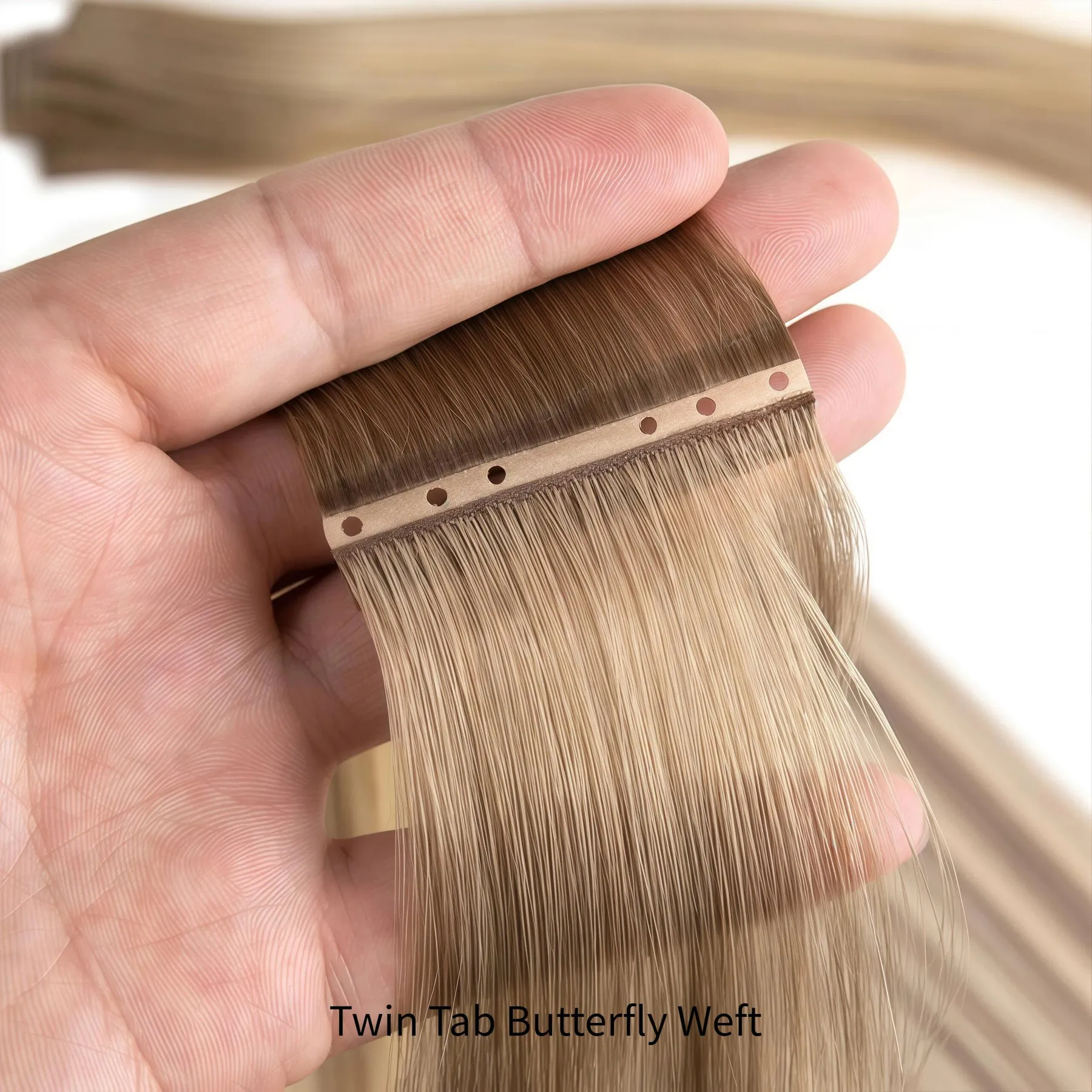
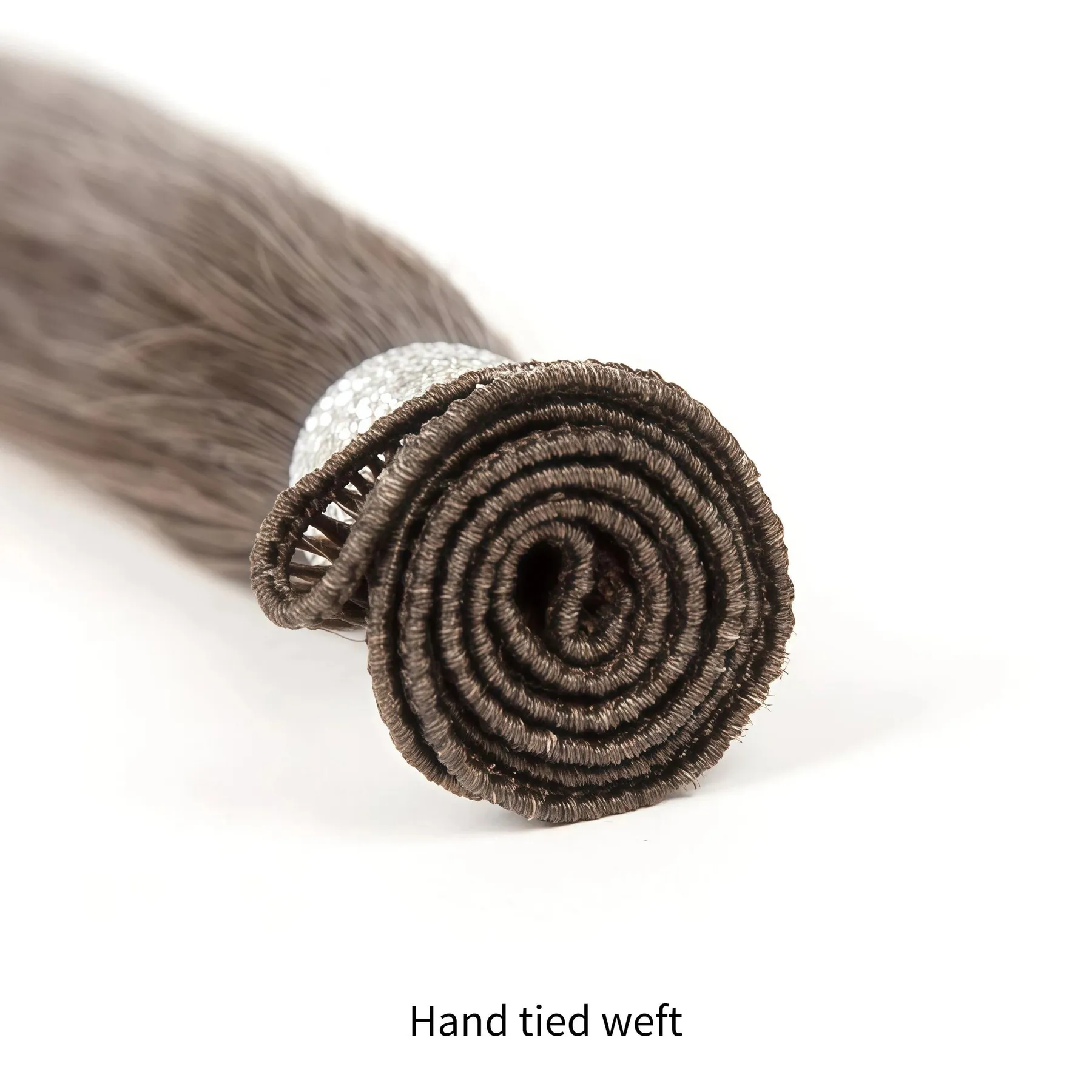
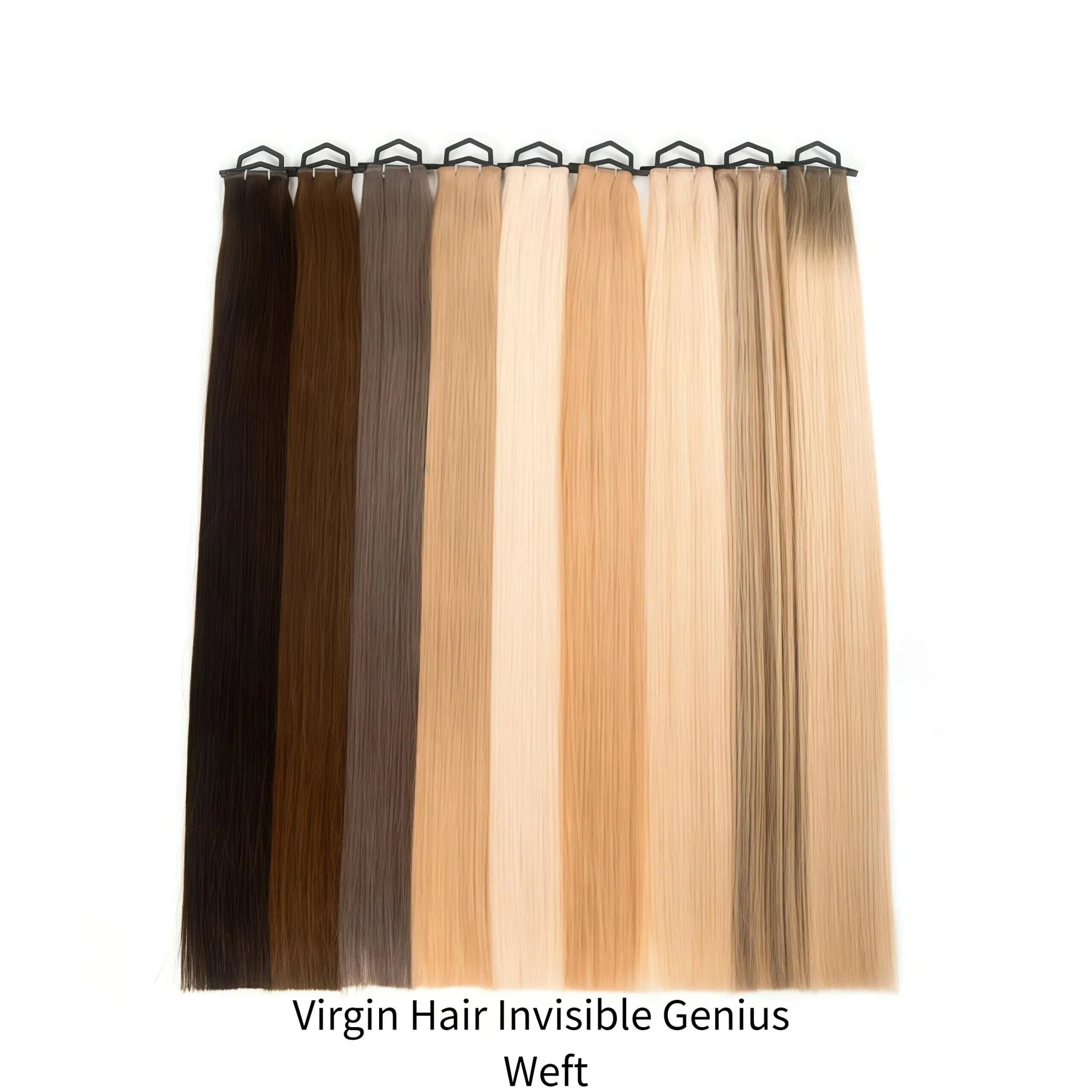
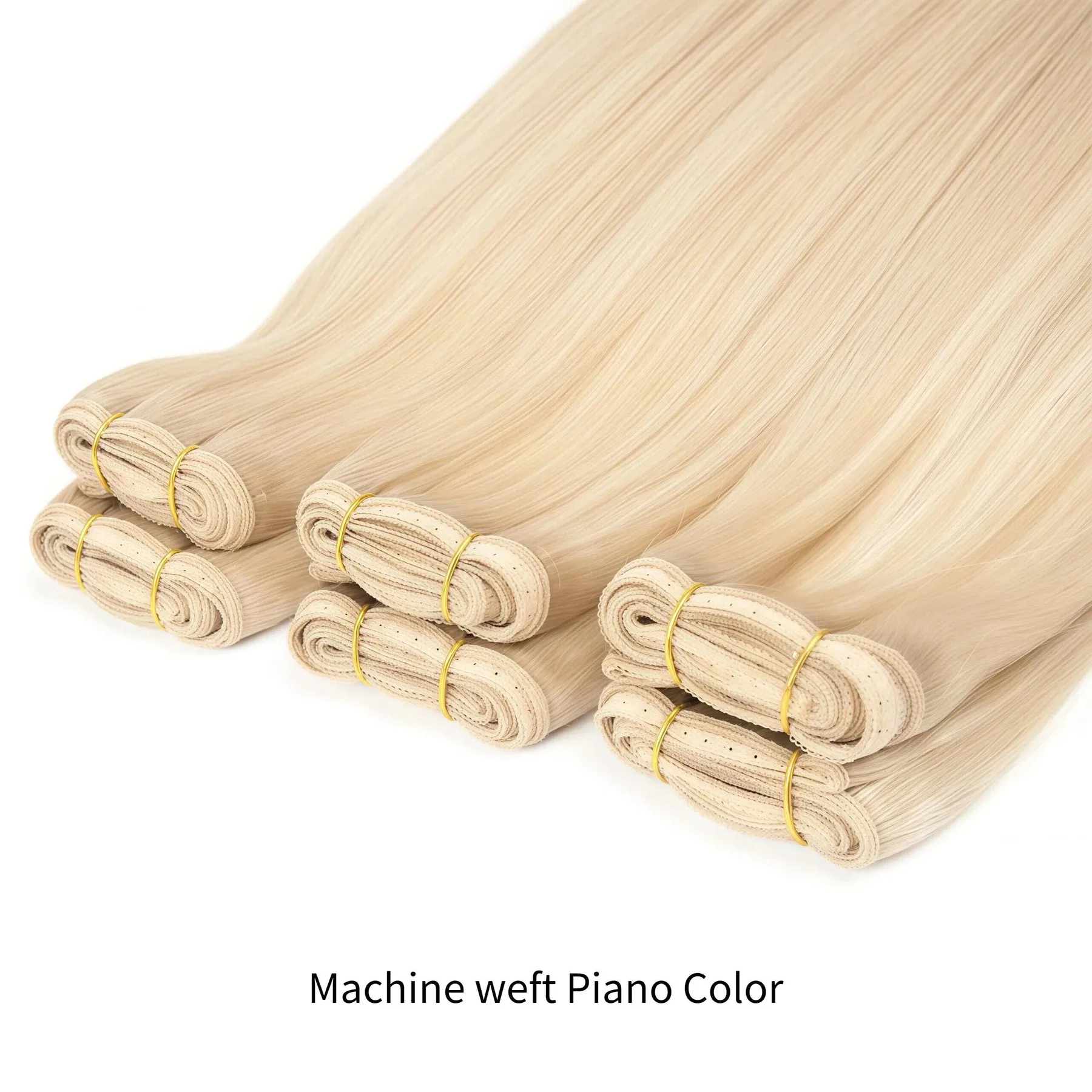
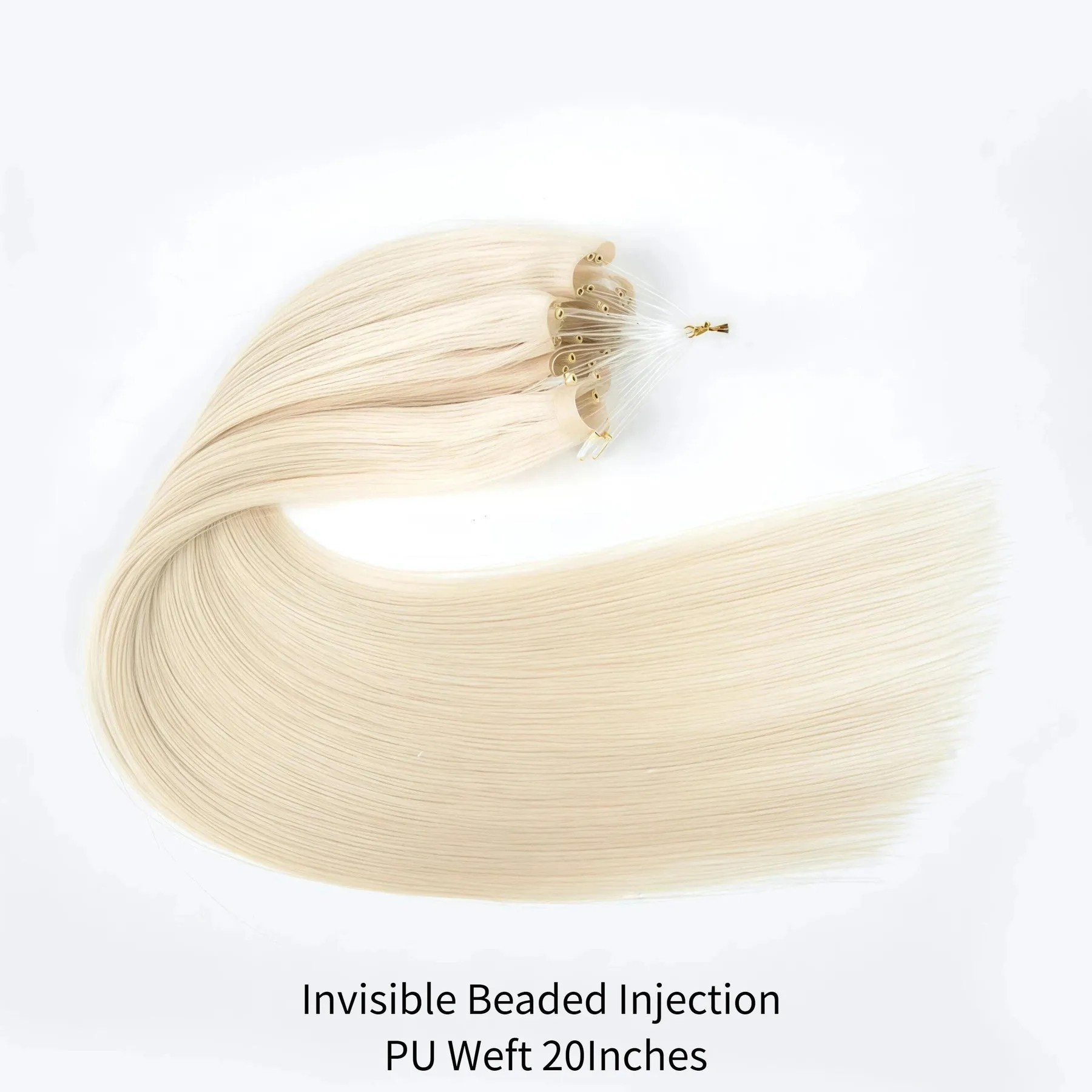
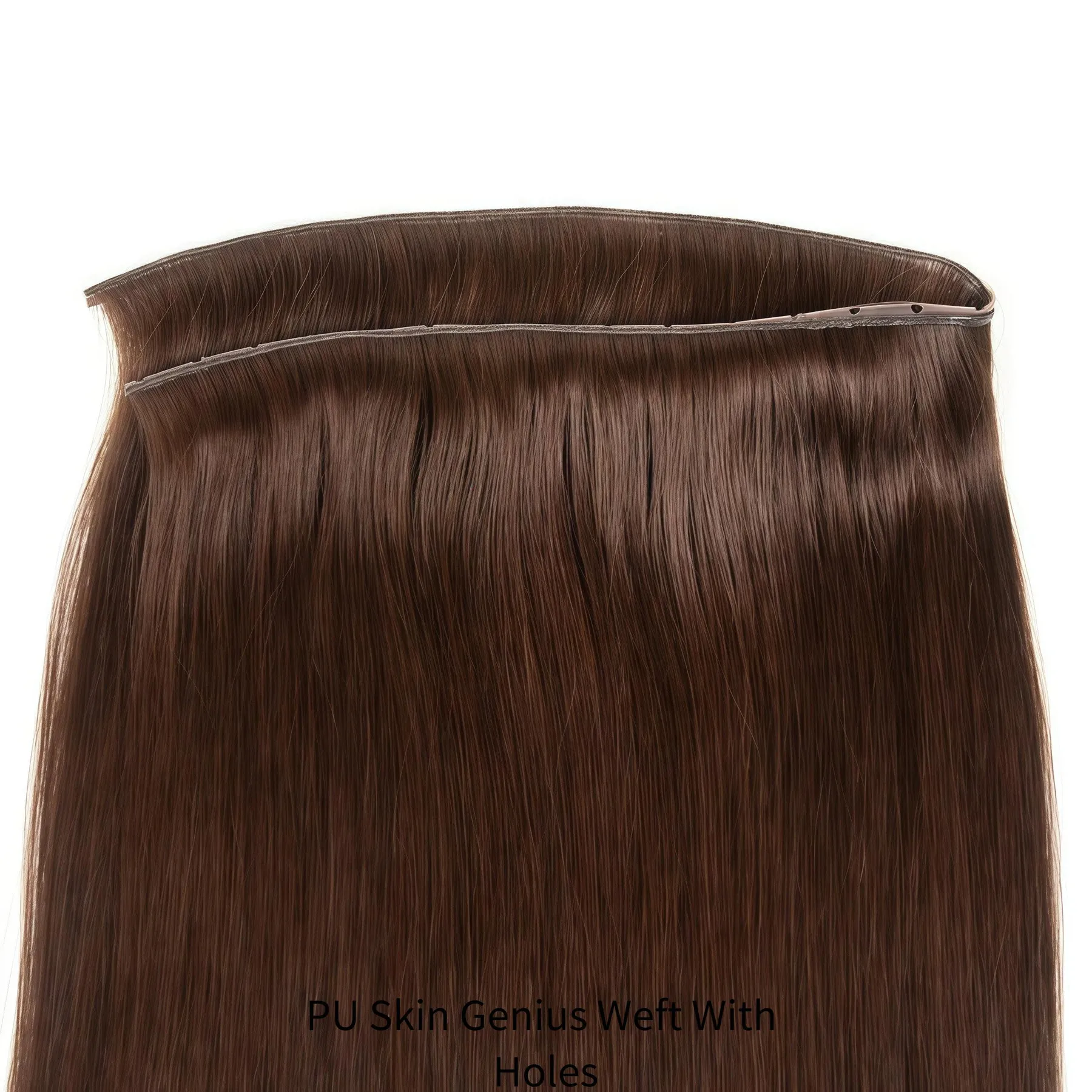
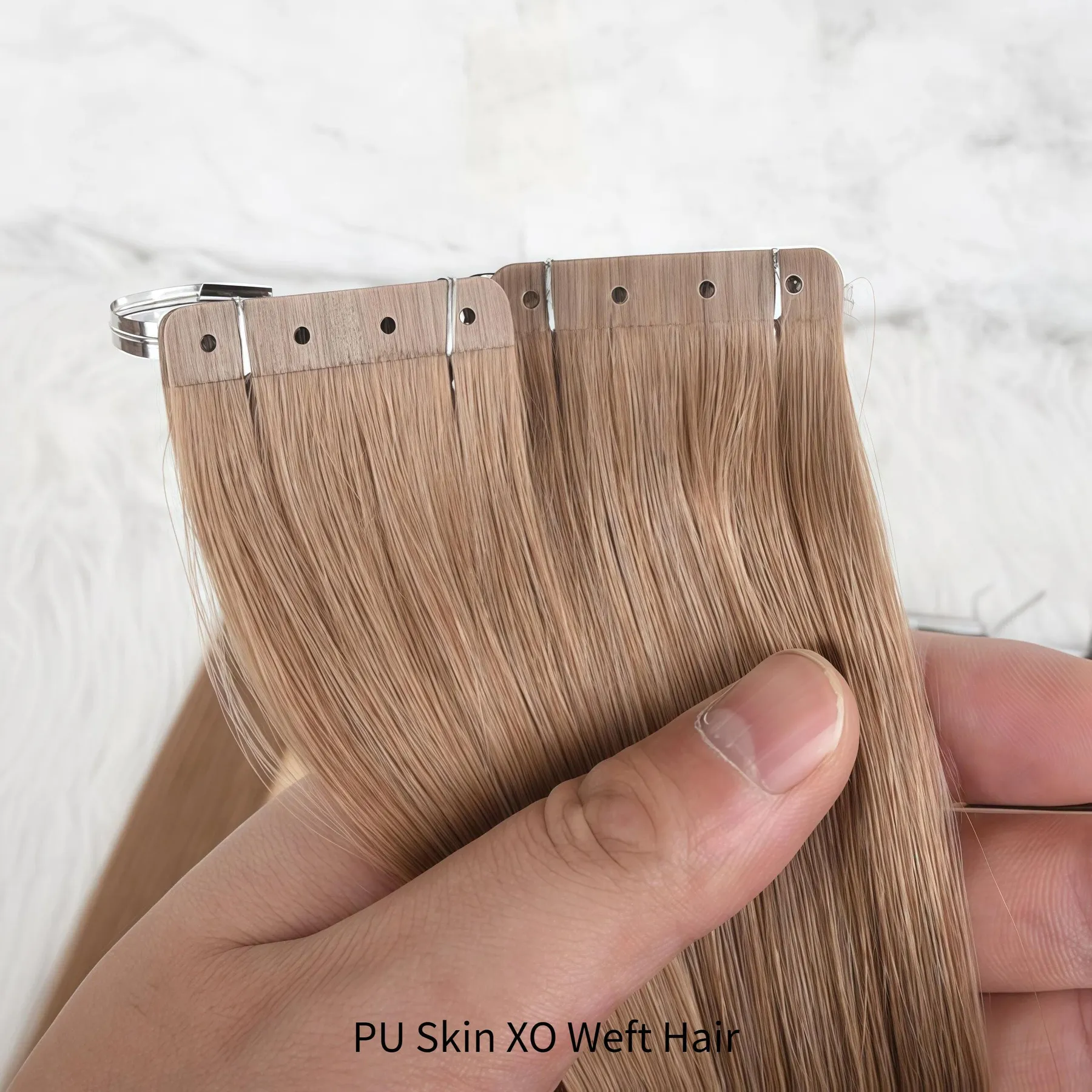
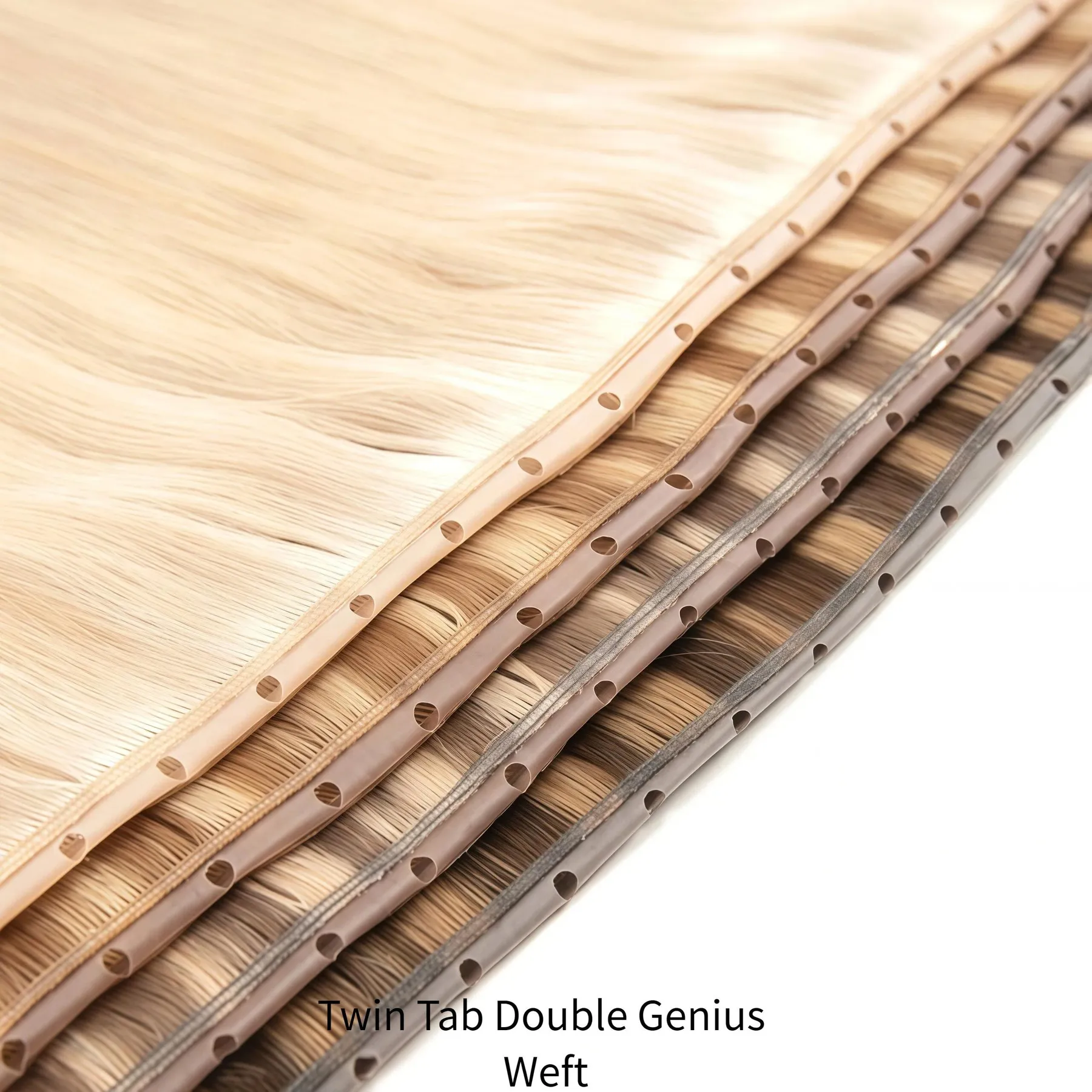
Genius, Twin-Tab Butterfly, Hand-Tied and Machine Wefts describe different constructions. Sew-in describes an application method, not one universal seam. Match the actual product to the intended professional method.
Hair Wefts: purchasing specification| Decision | What to record and approve |
|---|
| Genius Weft | Specify seam profile, width and net hair weight. Request the confirmed no-return-hair construction explicitly. |
|---|
| Twin-Tab Butterfly | Inspect the tabbed connection and row of openings; record their dimensions and intended attachment method. |
|---|
| Hand-Tied Weft | Record the finished section width and obtain edge-handling guidance before considering a cut. |
|---|
| Machine Weft | Inspect the stitched track and its profile. Confirm whether cutting and edge securing are permitted for the selected construction. |
|---|
| Shared inspection | Measure width, weight basis and section count; assess return hair, colour, texture and ends separately from the seam. |
|---|
Choose from our Premium Remy, Cuticle Remy, Fully Cuticle-Intact Remy grades, with straight, wavy, curly textures. See the hair-quality guide for our grade definitions and processing details.
For gram-based extensions and bulk hair, standard starting quantities are 100g per solid colour and 200g per T-Color or mixed colour. The final minimum depends on construction, colouring and order size; sample and trial quantities are quoted separately.
Genius, Hand-Tied and Machine Weft purchasing comparison · Compare material definitions · Private-label development
Discuss your product specification