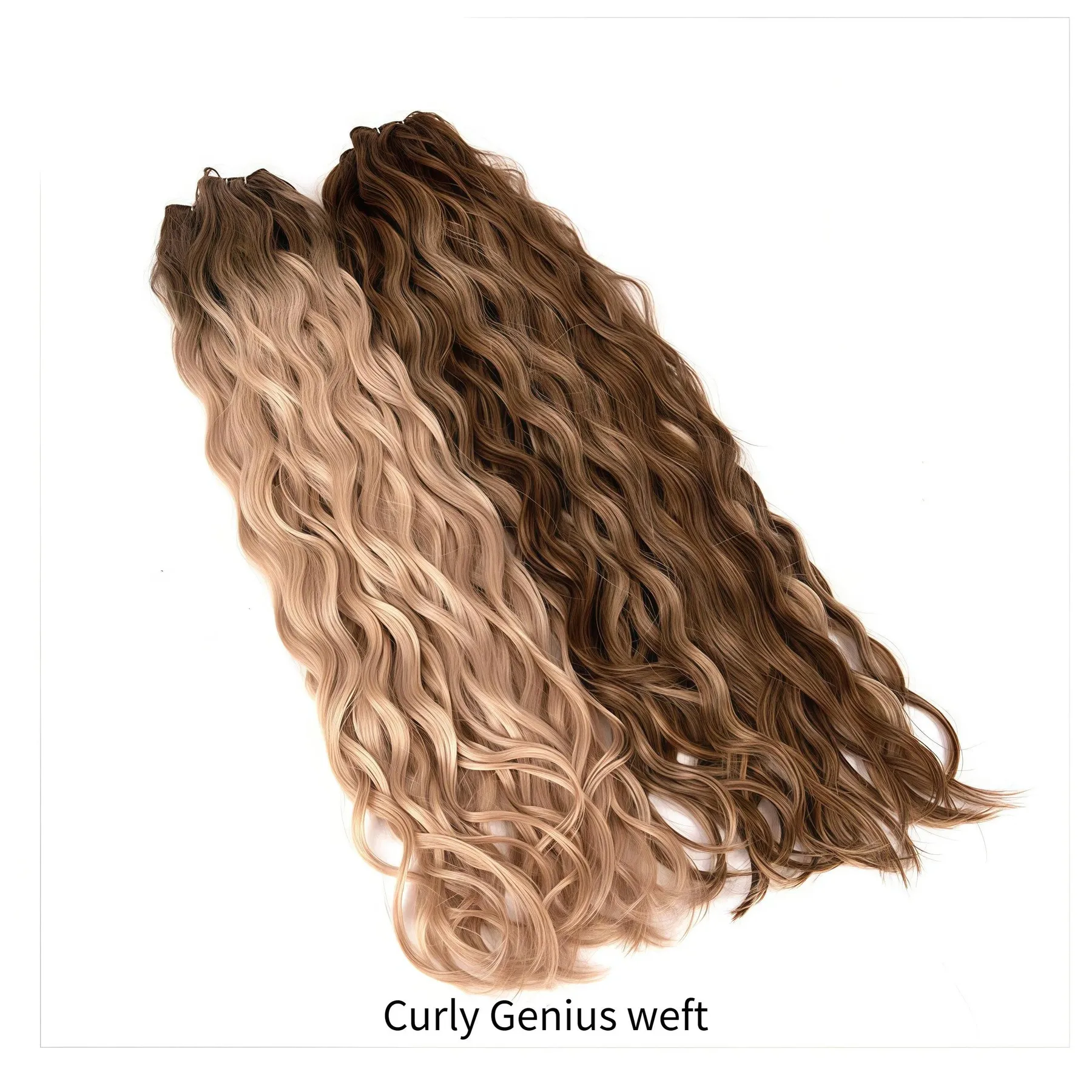
Genius Weft
We supply Genius Weft hair extensions, including no-return-hair constructions, for salons and hair-extension brands. Choose your product reference, length, colour and net hair weight, then enquire about samples and wholesale pricing.

B2B WHOLESALE HAIR EXTENSIONS
Wholesale hair extensions should be purchased by specification, not by product name alone.
Prime Human Hair works with brands, salons, wholesalers, distributors and private-label businesses to develop extension programmes around defined hair material, usable length, net hair weight, end fullness, colour, texture, construction and packaging requirements.
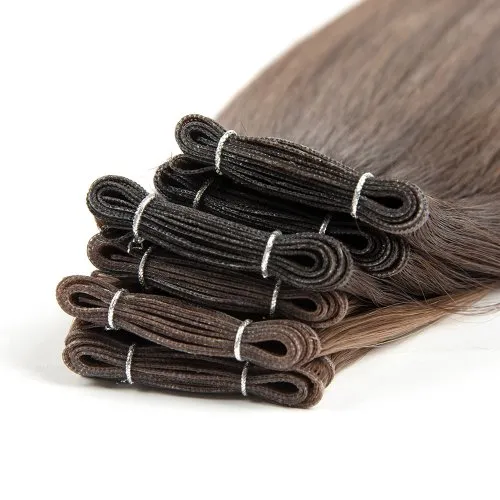
Choose the products for your collection, explore colour and construction options, and add your selections to the Enquiry List.
We supply Genius Weft hair extensions, including no-return-hair constructions, for salons and hair-extension brands. Choose your product reference, length, colour and net hair weight, then enquire about samples and wholesale pricing.
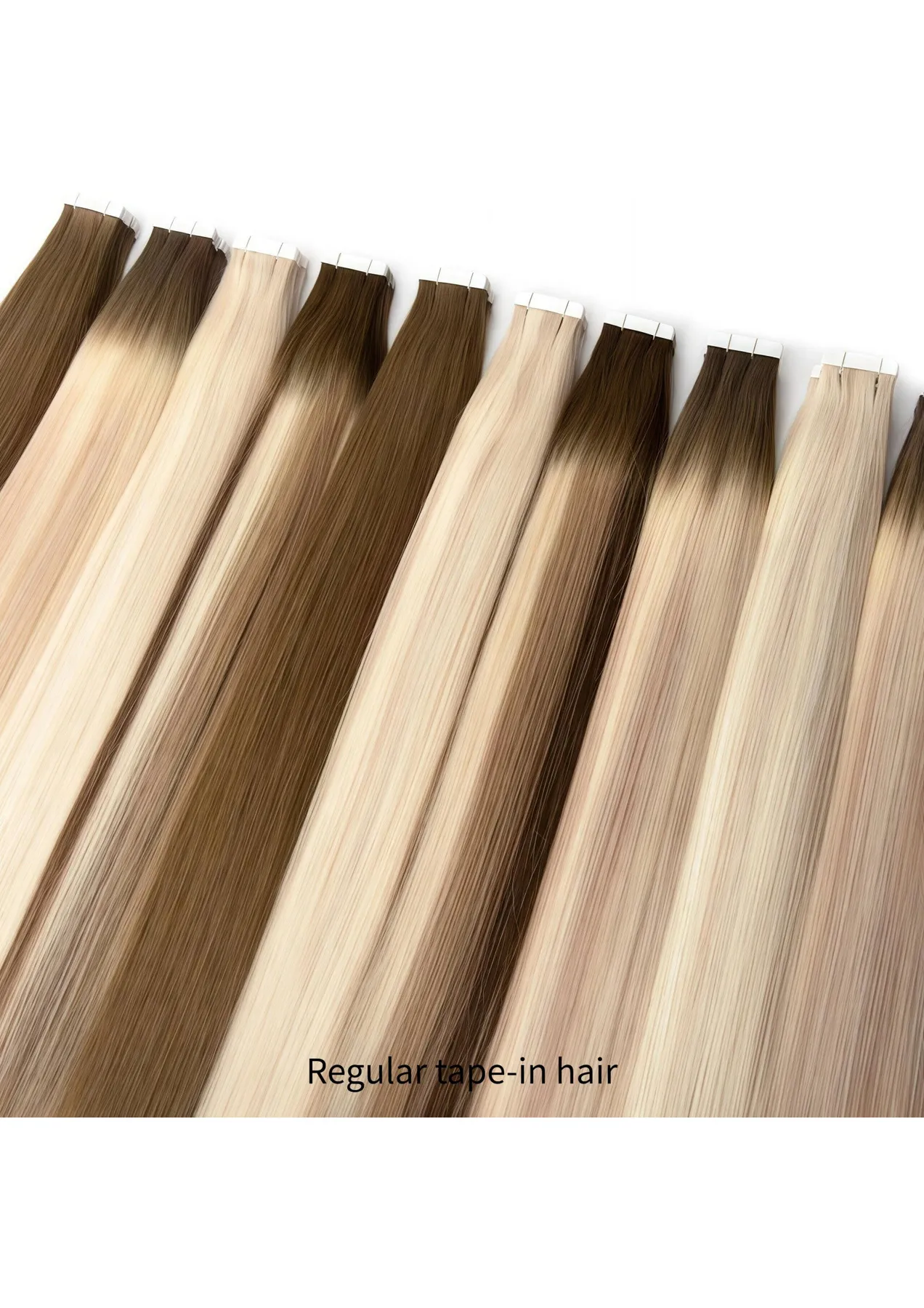
Classic Tape-In human hair extensions for salon brands and wholesale collections. Customize hair quality, tab dimensions, piece weight, length, colour and packaging.
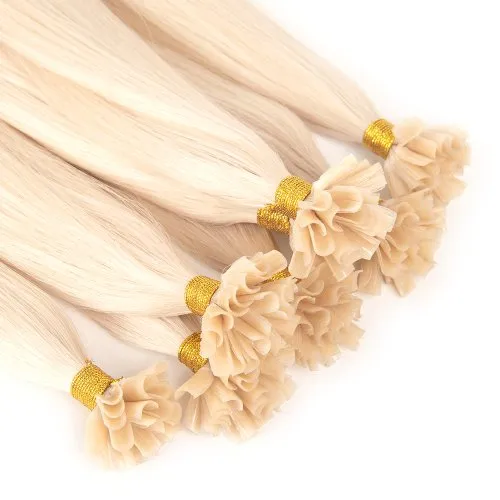
A keratin extension with a U-shaped bond format. Review the bond shape and dimensions, strand weight and pack quantity before developing the hair and colour specification.
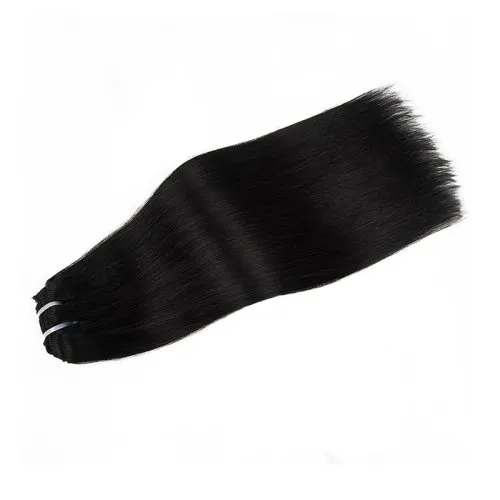
Classic Clip-In human hair sets for brands, salons and distributors. Develop the piece layout, clip arrangement, set weight, length and colour, with private-label packaging for your collection.
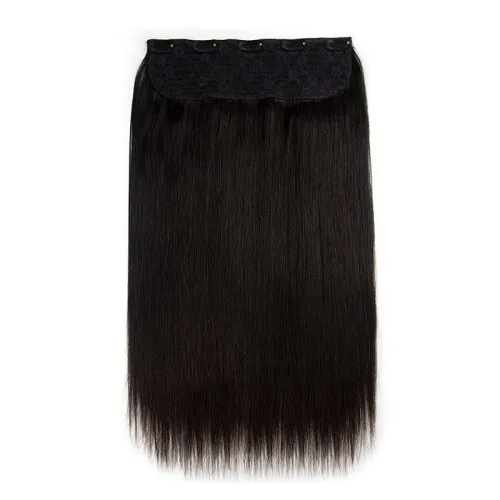
A halo construction using a wire-based set format. Confirm the wire, fit-related construction and hair weight together with the desired colour and texture.
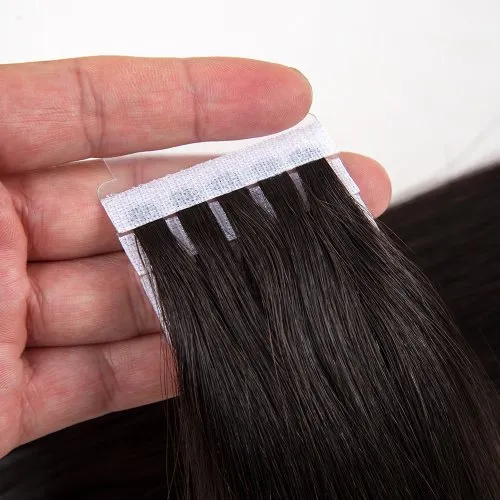
The V-Light reference is a fine-strand system for the intended professional application method. Confirm the system-specific format and hair specification with the selected reference.
Add the constructions you need to your Enquiry List, then share the quantities and pack requirements you already know. Availability, MOQ and lead time are confirmed for the actual specification and order.
| Product system | Unit and packaging to confirm | Repeat-order reference |
|---|---|---|
| Weft | Width, net hair weight and pack configuration | Seam, colour and approved sample |
| Tape-In | Piece weight, tab dimensions and pieces per pack | Attachment format and shade distribution |
| Bond / tip | Strand weight, bond / tip dimensions and strand count | Confirmed attachment and pack version |
| Clip-In / Halo | Set layout, net hair weight and complete-set configuration | Piece widths, attachment layout and set colour |
Keep the approved sample and dated specification for replenishment. Record changes to colour, construction or packaging before asking for a repeat quotation.
Use the detailed RFQ worksheet · Compare quotations on the same specification · Review your Enquiry List and contact us
QUICK ANSWER
A professional wholesale programme defines the product before comparing prices. Buyers should identify the extension system, starting-hair requirements, usable length, net hair weight, end fullness, colour, texture, construction, attachment dimensions and packaging. Different systems need different controls, so a quotation for a weft cannot be normalised in the same way as a Tape-In or individual keratin strand.
PRODUCT SYSTEMS
A wholesale range should be built around the application methods your customers actually use. The following systems are represented in our current product work; final availability and specification are confirmed for each enquiry.
Genius Weft, Hand-Tied Weft, machine-made and flat weft constructions require decisions about supply form, seam profile, width, net weight, return hair and cutting requirements.
See our Genius Weft manufacturing page for the cuttable-weft development framework.
Classic, Invisible and Injection Tape-In formats differ in how hair is presented around the attachment. Tab dimensions, hair distribution, weight per piece and the intended adhesive system should be recorded separately.
Review Tape-In product development.
K-Tip, U-Tip, Flat Tip, I-Tip and Nano Tip products are individual-strand systems. Strand weight, bond or tip dimensions, hair distribution and consistency between pieces matter as much as the product label.
Compare the keratin-bond family and the more specific K-Tip development page.
Clip-In and Seamless Clip-In extensions require an approved set layout, piece widths, clips, net hair weight and colour placement. The product should be approved as a complete set rather than as loose hair alone.
A published product reference establishes a starting construction and image, not a universal stock specification. Use one order line for each agreed combination of construction, length, material and colour. Mark which fields follow the reference and which require custom development.
| Stage | Buyer supplies | Confirm together |
|---|---|---|
| Select the range | Product reference and customer application | Core systems and whether the sample represents the intended production construction |
| Define the order line | Length, hair-quality definition, colour, texture and unit | Hair-only versus finished weight, piece/set count and any custom dimensions |
| Review minimum quantities | Quantity by colour and specification | Applicable colour MOQ, sample terms and whether any lines may share a batch |
| Approve the sample | Written acceptance criteria and observations | Product and shade revision, construction checks and unresolved changes |
| Release the order | Final quantity and packaging artwork | Quality inspection, packing list, shipment basis and destination |
| Reorder | Prior approved revision and requested differences | Any material, colour, attachment or packaging change before production |
For gram-based extensions and bulk hair, standard starting quantities are 100g per solid colour and 200g per T-Color or mixed colour. The final minimum depends on construction, colouring and order size; sample and trial quantities are quoted separately.
For Clip-In sets, reconcile the complete-set configuration with the proposed order weight; do not treat a colour minimum as the weight of each set. Finished wig and topper orders use piece-based minimums.
Build your selection from Clip-In sets, Tape-In systems, Genius Wefts or Bulk Human Hair. Then attach private-label packaging requirements to the same product record.
COMMERCIAL VARIABLES
Wholesale hair-extension pricing is determined by the product specification, not only by length. The main variables include starting hair, processing route, usable length, net hair weight, end fullness, colour, texture, construction, attachment size, packaging, order quantity and any custom development work.
A quotation for a 20-inch extension is not comparable unless the buyer also knows the net hair weight, end fullness, material definition, colour group and construction. A lighter product, a product with less fullness at the ends or a product using a less demanding colour route may carry the same nominal length while representing a different commercial product.
| Specification | Development options |
|---|---|
| Extension system | The construction and attachment format being quoted |
| Hair material | The supplier's documented definition and processing route |
| Usable length | The length that meets the agreed product definition |
| Net hair weight | Hair weight excluding packaging and non-hair components |
| End fullness | The density profile through the lower length of the product |
| Colour and texture | Shade difficulty, dimensional placement and finish |
| Construction | Seam, tab, bond, tip, clip or set-specific requirements |
| Packaging and quantity | Presentation, labelling, order scale and development work |
Before choosing a supplier, normalise these fields and use the same written request for every quotation. Our guide to comparing hair-extension quotations explains this process in detail.
PHYSICAL COLOUR REFERENCES
Prime Human Hair uses physical shade references to develop and review solid colours, roots, blends and dimensional colour directions. Each colour reference is connected to the selected extension system, material route and approved finished sample so that later orders can be compared with the same standard.
PHYSICAL COLOUR REFERENCES
Physical colour references support shade communication, root-tone review, blend comparison and repeat-order control when connected to the selected extension construction.
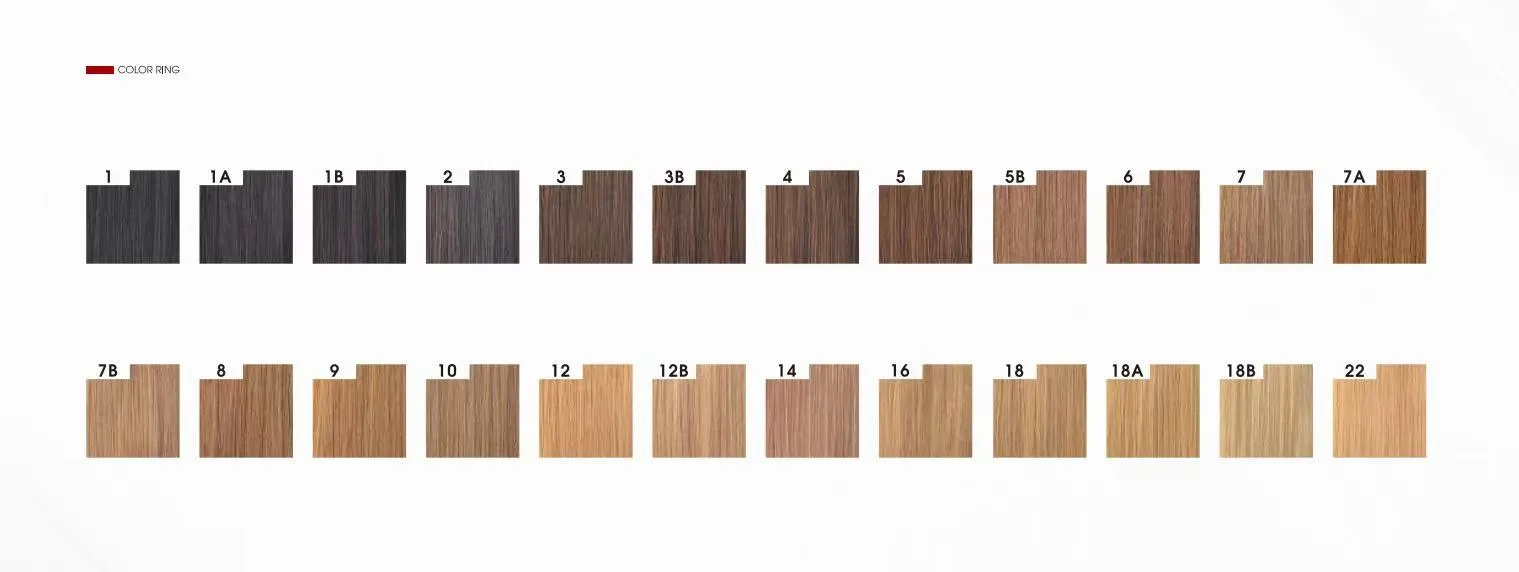
For custom shades, see how we approach colour development and why a physical sample remains important.
WHO WE WORK WITH
Define colour architecture, SKU structure, product positioning, packaging and the reference used to control repeat production.
Prioritise application systems, useful colour coverage, practical sample testing and a reorder structure the team can use consistently.
Normalise product definitions across a broader SKU range and control labels, pack formats and bulk consistency.
Translate product specifications into clear customer-facing options without turning each colour or length into an unrelated product definition.
PRIVATE LABEL
Private label starts with a confirmed product specification. Packaging can communicate the brand, but it cannot correct an unclear hair definition, inconsistent weight or an attachment that has not been tested.
Approve the extension system, material route, length, weight, colour, texture, construction and sample first. Then develop colour names, labels, cards, bags and boxes around that approved product. This order reduces the risk of printing packaging before the product architecture is settled.
For a complete workflow, review our private-label hair-extension development process.
FAQ
Two quotations can use the same product name while describing different products. Differences may come from starting hair, processing history, usable length, net weight, end fullness, colour difficulty, attachment construction, packaging and MOQ.
The correct comparison begins by normalising the specification. Samples can then be tested against the same written requirements before commercial terms are evaluated.
A professional specification should define the extension system, hair material, usable length, net hair weight, colour, texture, end fullness, attachment or seam dimensions, packaging and agreed tolerances.
Repeat orders should reference an approved sample or specification version so the factory and buyer are comparing the same product rather than relying on old photographs or message history.
No. Labels such as Premium, Remy, Virgin, Double Drawn or Full Cuticle do not by themselves define the finished product. Ask how the supplier defines each term, then verify the sample by weight, usable length, end fullness, colour, construction and post-wash performance.
Our hair-quality framework and guide to Remy Hair versus Virgin Hair explain why these labels need supporting definitions.
Approve a sample against a written specification rather than by softness alone. Record net hair weight, usable length, colour, end fullness and construction before washing, then test the hair and the attachment system separately.
Retain the approved physical sample as a reference for bulk production. Use our sample-evaluation guide to structure the record.
Repeat orders become more consistent when the manufacturer records the approved sample, colour reference, dimensions, net weight, construction details and specification version.
If one variable changes, create a new version. This prevents a new shade, weight or attachment format from being compared with an outdated reference.
START A PRODUCT CONVERSATION
Send the systems, target specifications, core colours and estimated quantities you want to compare. We can review the brief before samples or a quotation are prepared.