Buyer Guides

Private Label Hair Extensions: Planning a First OEM Sample Collection

A first private-label hair extension collection should answer a small number of sourcing questions before it becomes a large catalogue. Start with three to five purposeful sample items, not every construction and colour you might eventually sell. Give each item a role, a measurable specification and a reason to be included. The objective is to learn which products can be approved and repeated under your brand, then expand from that evidence.

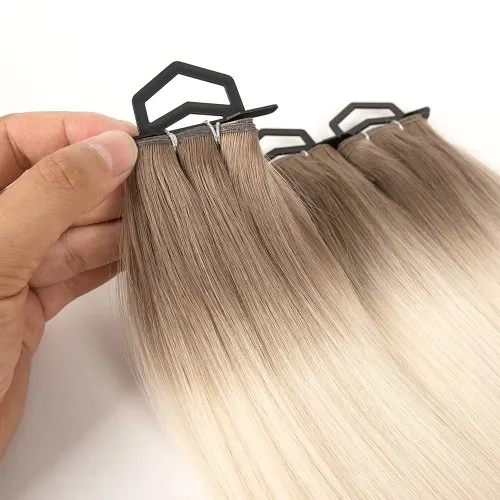
Dark-root Genius Weft reference for a focused private-label sample collection

QUICK ANSWER

The short answer

Build a focused sample collection around your customer and application: one core product, a useful construction comparison and a colour or packaging variation. Approve the hair, construction and presentation, then bring those decisions into one product specification for production.

On this page

KEY FACTS

What buyers should establish first.

  • Three to five sample items is a planning example, not a required order quantity.
  • An item should answer a specific product or market question.
  • Hair approval and packaging approval need separate records.
  • A change in construction, shade recipe or set layout can require a new version.

Choose the customer and service before the assortment

Define the buyer you are serving: salon professionals, extension specialists, distributors or another channel. Write down the intended application and the support that customer expects. A collection for a specific salon method needs a different sample plan from a broad online range. Avoid using the number of catalogue pages as the measure of readiness.

Then choose the product question. You might be comparing two weft structures, validating a rooted colour on a known tape format or defining a removable set. If every item changes construction, material, shade and length, poor results are difficult to diagnose. Hold some variables constant so the comparison produces a usable decision.

Build a three-to-five-item sample matrix

The example below is a planning structure, not a recommended universal product mix. Replace its roles with the application and construction relevant to your brand. Each row should have a written purpose before you request the sample.

Illustrative first-collection roles
Sample roleWhat to hold constantQuestion it answers
Anchor productChosen construction, length and physical shadeCan this become the repeatable core specification?
Construction comparisonMaterial direction and comparable hair weight basisDoes another structure better fit the intended application?
Colour developmentAnchor construction and lengthCan the rooted or mixed layout be approved on this product?
Texture option, if neededIdentified material and product formatIs the actual pattern appropriate after agreed evaluation?
Packaging prototype, if neededApproved product referenceDo labels and protective presentation match the contents?

Write a minimum viable specification, not a vague mood board

A visual reference helps communicate style, but it does not identify a weight unit or production tolerance. Each sample line should state construction, usable length, weight basis, material description, texture, colour structure and pack contents. Add the critical feature you intend to test, such as no-return-hair Genius construction or the layout of a seamless clip-in set.

Use the product configuration options to plan your initial samples. Quote sample quantities separately from solid-colour and T/Mixed production minimums. For wigs and toppers, plan by finished piece, including the cap or base construction.

Approve the physical product before freezing the packaging

Inspect the sample and record decisions before committing to permanent labels, cards or cartons. A change in piece count, track width or set weight may change the packaging dimensions and printed contents. If packaging development must run in parallel, mark it as provisional and make its dependency on the product approval explicit.

Keep presentation claims within what the selected product supports. Do not turn a supplier’s broad material term into an unsupported scientific guarantee on the label. A construction-specific statement such as no return hair should apply only to the confirmed product. Care and handling instructions must also follow the exact construction rather than a generic extension template.

Create a sample sign-off with an owner and version

Assign a sample identifier and a specification revision. Record what was approved, what remains conditional and who must answer the outstanding questions. Keep physical shade references and relevant photographs with the record. A message saying “looks good” should not be the only bridge between a sample and a production order.

Make product, colour and packaging approval independently visible. For example, you may approve the seam but request a different root transition, or approve the product while waiting for revised artwork. Production should follow the final combined release, not the earliest positive message in the discussion.

Define what expansion would actually test

After the initial samples, expand the collection one decision at a time. A longer length may need its own end-fullness and weight review. A lighter shade may require a separate processed-material sample. A new construction may change attachment and packaging checks. Reuse what remains valid, but do not assume the anchor sample approves every future combination.

This staged approach suits a brand that wants controlled learning and a repeatable product record. It is less useful if the business only needs immediate resale of an existing professional brand. In that case, compare the brand’s purchasing channel and permitted presentation rather than forcing an OEM process onto a stock purchase.

Plan the handoff to the first production order

Before ordering, reconcile the approved sample matrix with the purchase lines. Every line needs a construction, shade reference, length, weight or piece basis, quantity and packaging revision. Agree the inspection method and who may authorize changes. Include a route for handling a requested substitution before it reaches the production floor.

Retain the approved reference and notes from the first production order. Use those records to plan replenishment, resolve any differences and decide which lengths, colours or constructions to add next.

Use one release sheet for product, artwork and shipment

The first collection needs a release record that joins approvals already made in separate conversations. A sample can be technically accepted while its care card or pack count is still being revised. Keep those states visible until the final order is released.

First-collection release gates
GateEvidence to retain
Product selection and specificationSKU, construction and product-specific weight unit
Sample and buyer approvalPhysical sample identifier, shade reference and resolved changes
PackagingApproved artwork, pack contents and product-to-label match
Production and QCAgreed inspection method, lot identification and release responsibility
ShipmentOrder lines reconciled with the packing list and agreed shipment basis
Repeat productionRetained reference, revision and any new change request

Further Reading

Explore our product specifications and linked construction references when preparing your sample request.

Approve the product and branded presentation as connected records

Use the private-label process for artwork, labels and packaging while the OEM brief controls the underlying hair and construction. Keep both records attached to the same sample revision. A change to a product pack count can also require a label change, even when the visual design stays the same.

BUYER CHECKLIST

Use this before approving a sample or specification.

  1. Give each sample item one clear decision purpose.
  2. Use a written specification and physical shade reference.
  3. Approve product and packaging independently before combined release.
  4. Retain versioned records for the first production order and later expansion.

FAQ

Practical questions from B2B buyers.

Must I launch with three to five products?

No. That is an illustrative planning range for a focused sample programme, not a manufacturing rule. One well-defined product can be a better starting point if it resolves the main sourcing question.

Can I change the colour after approving the sample?

Yes, as a controlled revision. Record the change and ask which checks must be repeated. Approval of one shade or root layout does not automatically approve a new colour recipe on the same construction.

YOUR NEXT STEP

Start Your Private-Label Collection

Bring your product ideas and brand direction. We can help organize product selection, sample development and branded packaging.

Request a sampleWhatsApp →Email →