
Buyer Guides

How Hair Extension Sample Approval Prevents Bulk-Order Differences

An approved sample gives production a clear starting point. To carry that result into a wholesale order, connect it to a written specification covering hair quality, colour, measurements, construction and packaging. Keep the sample and document version together, agree how changes are approved and compare the finished order with the same reference.

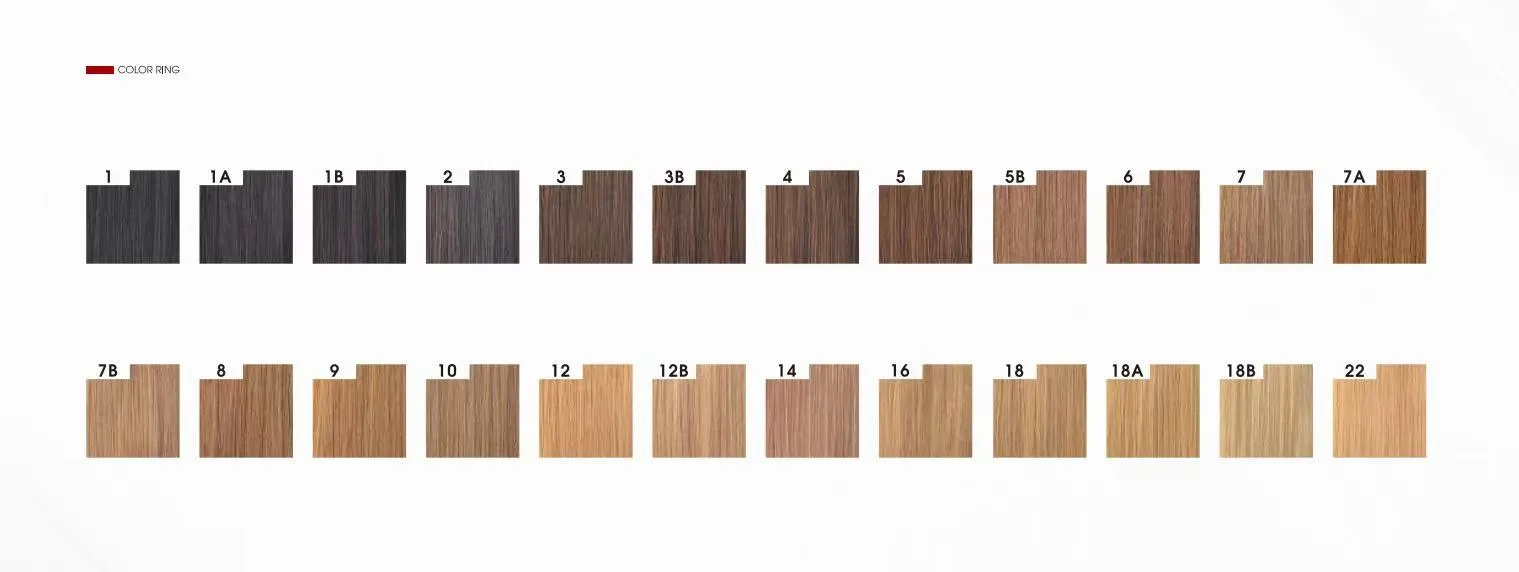
Physical colour references illustrating the need to retain an approved sample standard

QUICK ANSWER

The short answer

Bind the approved sample to a dated specification covering material, usable length, weight basis, colour, texture, construction and packaging. Separate conditional approvals from final release. Require written review of proposed changes and compare the production lot with the approved version before shipment. Keep the sample and revision record available for repeat orders.

On this page

KEY FACTS

What buyers should establish first.

  • Sample evaluation and production authorization are separate decisions.
  • An approval needs a sample identifier and written specification version.
  • A change to hair, colour, construction or packing may require renewed checks.
  • Keep the inspection record and shipping status with the order documentation.

Turn a positive sample review into an explicit decision

After evaluating the sample, list the fields that are accepted and those that remain open. You may approve the hair material but request a different root transition, or accept the weft construction while waiting for revised packaging. Keep those decisions separate so one positive comment does not accidentally release the whole product.

Name the person or role responsible for the final approval and record the date. The approval should identify the exact physical sample and the document version it represents. If several samples were sent, avoid relying on descriptions such as the second one or the lighter one; assign stable identifiers that remain meaningful later.

Freeze the fields that production must reproduce

The written specification should state the material and processing description, governing length and method, weight basis, colour reference, texture, construction dimensions and pack configuration. Add any agreed tolerances or inspection criteria. If a field is unknown, resolve it or mark the production approval conditional rather than filling it with a guess.

Attach the physical shade reference and relevant construction images or diagrams. A photograph is useful context, but it cannot replace the actual weight definition or the governing sample. For a wig or topper, include the cap/base and density fields instead of using an extension-only template.

Sample-to-production approval packet
RecordMinimum useful contentOwner of the next action
Sample identityReference code, version and retained physical pieceBuyer and supplier confirm the same reference
Product specificationMaterial, length, unit, colour, texture and constructionTechnical owner resolves open fields
Packaging approvalContents, artwork and label wordingBrand owner approves presentation
Inspection planMethods, agreed criteria and lot definitionQuality/release owner confirms the check
Change logRequested revision, reason and affected fieldsAuthorized approver accepts or rejects
Production releaseCombined final version and approval dateResponsible order owner authorizes production

Make the handoff understandable to a different person

The production team may not be the person who discussed the first sample with you. The approval packet should therefore stand on its own. Use clear units, construction codes and colour references, and identify where the retained sample is held. A long message history can contain useful context but should not be the only production instruction.

Ask the supplier to confirm the accepted version before the order starts. Reconcile each purchase line with the specification and packaging records. If the order contains multiple lengths, grades or colours, preserve those differences instead of treating the sample as an approval for every possible variation.

Treat substitutions as decisions, not quiet equivalents

A different material, colour-processing route, attachment or base may change the product even if the catalogue name stays the same. Require the supplier to explain a proposed substitution before it is used. Identify which measurements, appearance checks or performance evaluations need to be repeated and whether a new sample is necessary.

Not every administrative correction needs a new physical sample, but the distinction should be reasoned and recorded. A corrected spelling on a label is different from a changed clip layout or root transition. Keep the approval proportional to the change while ensuring that no technical change is hidden inside a routine reorder.

Compare the production lot with the approved version

Before shipment, use the agreed inspection plan to compare identity, weight basis, usable length, colour, construction and packing. The approved sample provides context; the written criteria tell the inspector what to measure or observe. Record deviations and their disposition rather than relying only on photographs selected for presentation.

If a difference is found, confirm the reference and method first. Then agree correction, replacement or another documented decision. A one-time concession should identify its limited scope and should not automatically become the new standard for all future orders. Retain the original approval unless a deliberate revision replaces it.

Keep mixed-product order lines identifiable

The Finland order combines 60cm Genius Weft #60A, 100g, with Invisible Tape-In #2C, 100g. Keep each construction and shade linked to its own order line. The UK Machine Weft example pairs a light-colour finish with a 55cm length reference and 100g configuration.

The Romania mixed sample order combines Bulk Hair in different quality grades with Invisible Tape-In at 55cm in 100g pack configurations. Use separate sample identifiers for each product and material choice when developing a similar combination.

Keep repeat orders controlled without freezing useful improvement

For a repeat order, start from the current approved version and ask whether any material, construction, colour or packaging field has changed. If the buyer wants an improvement, create a proposed revision and test the affected requirements. Version control should make improvement traceable, not make the product impossible to develop.

This process is most useful for brands and wholesalers that need a repeatable SKU. It is less relevant to a purely exploratory swatch request that has not reached production approval. Even there, a sample identifier and clear purpose help prevent an exploratory reference from being mistaken for a final manufacturing standard.

Further Reading

Explore our product specifications and linked construction references when preparing your sample request.

BUYER CHECKLIST

Use this before approving a sample or specification.

  1. Separate sample observations, conditional approval and final release.
  2. Retain an identified physical sample and dated specification.
  3. Require review of technical substitutions before production.
  4. Inspect the lot against the same approved version and record changes.

FAQ

Practical questions from B2B buyers.

Does approving one sample guarantee identical bulk goods?

No. It creates the reference against which production can be controlled and inspected. Clear specifications, change management and lot checks are still needed, and natural or process variation must be addressed through agreed criteria.

Can a reordered product keep the same SKU after a change?

Only if your internal system clearly records the new version and the affected approval. Do not let a familiar SKU conceal changed material, colour, attachment or packaging that the buyer has not reviewed.

YOUR NEXT STEP

Source Bulk Hair for Your Application

Send the hair quality, bundle weight, usable length, texture and colour you need for braiding, ventilation or custom manufacturing.

Request a sampleWhatsApp →Email →