
Buyer Guides

Hair Extension Weight Guide: Per Strand, Tape Piece, Weft, Bundle and Set

A hair extension weight is incomplete until it states what is being weighed. One gram can describe a strand, 100g can describe a bundle or weft pack, and 300g can describe a complete removable set. Those numbers are not interchangeable. For wholesale purchasing, write the product unit, whether attachments are included and how many units make a pack before comparing samples or accepting an order specification.

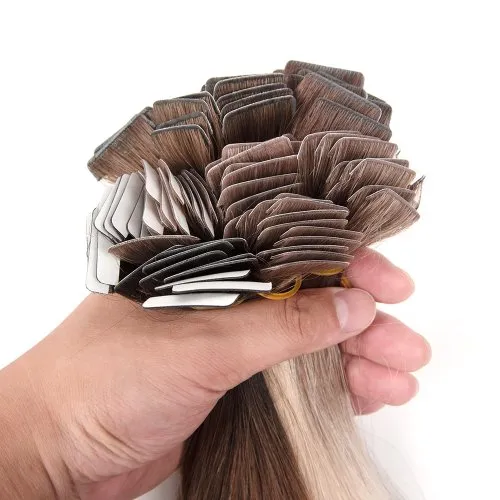
Tape-In reference showing why piece construction and total pack weight must be specified separately

QUICK ANSWER

The short answer

State the weight unit first: strand, tape piece, weft, pack, bundle or complete set. Then identify whether the figure is hair-only or includes the attachment. For example, a 100g tape order is a pack total; the individual piece weight and count belong in separate fields.

On this page

KEY FACTS

What buyers should establish first.

  • 0.5g and 1g: individual-strand enquiry examples.
  • 2g, 2.5g, 3g and 4g: tape-piece examples requiring validation on that construction.
  • 50g and 100g: defined weft/piece or pack examples.
  • 100–300g clip-in examples refer to complete sets, not each piece.
  • Wigs and toppers require finished-piece, density and cap/base fields.

Use the unit table before doing any calculation

The first task is classification. Identify the construction and choose its actual selling or approval unit. A product can be packed differently without changing its name, so the unit should appear in the written line description rather than being inferred from a photograph or the supplier’s previous order.

The examples below are starting points for enquiries and sample development. Confirm the actual configuration, permitted variation and inclusion of attachment material. A long-strip tape, specialist application system or finished hairpiece needs its own definition; do not force it into a convenient standard-piece number.

Sample weight options by product and unit
Product familyExample numbersRequired basis
K-Tip / I-Tip / U-Tip / V-Tip0.5 / 1g; subject to confirmationg per strand
Nano / Micro Ring / Loop0.5 / 1g; subject to confirmationg per strand
Tape-In / Invisible Tape-In2 / 2.5 / 3 / 4g; subject to confirmationg per tape piece
Genius / Butterfly / Hand-Tied / Machine Weft50 / 100g; subject to confirmationg per weft / piece or specified pack
Clip-In / Seamless Clip-In100 / 150 / 180 / 220 / 300g; subject to confirmationg per complete set
Bulk Human Hair50 / 100 / 200 / 300g; subject to confirmationg per bulk bundle
Human Hair WigsConfirm the finished pieceper finished wig; net hair weight, density and cap dimensions specified separately
Hair ToppersConfirm the finished pieceper finished topper; density and base dimensions specified separately

Separate net hair, attachments and packaging

Net hair weight refers to the hair under the agreed measurement method. Finished-product weight can include a keratin bond, tape/base, seam, clips or other construction material. Gross shipping weight additionally includes packaging and other contents. These are useful measurements for different purposes, but they should not be compared as though they describe the same amount of hair.

Some constructions make separating the hair from the attachment destructive. Agree how the supplier will establish or report the relevant value instead of dismantling a finished sample without a plan. State what is included, how the value was obtained and which measurement will govern acceptance. A scale reading alone cannot answer those definition questions.

Worked examples: reconcile quantity and weight

These arithmetic examples illustrate unit reconciliation, not stock configurations or accepted order minimums. They assume every number uses the same agreed weight basis. If a supplier includes the bond in a strand weight while you expect hair-only grams, the arithmetic may be correct but the purchasing comparison is still wrong.

Worked examples: unit weight × quantity
Example specificationCalculationWhat remains to confirm
50 strands at 1g per strand50 × 1g = 50g on that stated basisBond inclusion and actual pack tolerance
40 tape pieces at 2.5g per piece40 × 2.5g = 100g on that stated basisSingle pieces versus paired application; tape/base inclusion
Two defined 50g weft pieces2 × 50g = 100g pack totalWidth of each piece and seam inclusion
One 180g complete clip-in set180g for the whole set, not every sectionPiece layout, clip count and net hair versus finished set
One 100g bulk bundle100g for that bundleTies, material grade and processing specification

Why equal pack weights can still describe different products

Two 100g weft packs can differ in width, section count and hair distribution. A longer product at the same total hair weight may present differently through the ends. A clip-in set with more base or clip weight can have a different net hair quantity from another set with the same finished total. Record these differences before deciding that the packs are comparable.

Do not turn grams into a universal recommendation for a person’s head or an installation. The appropriate configuration depends on the product and intended application, which a qualified professional should assess. This guide is a procurement measurement tool, not a prescription to install a particular amount.

Keep order-line weight and piece weight separate

The Finland order combines Genius Weft #60A at 100g with Invisible Tape-In #2C at 100g. Keep the product and colour attached to each order line when preparing a similar request. Tape-in pack weight and single-piece weight are separate measurements.

The Romania sample combination uses 100g pack configurations, while the UK Machine Weft example uses a 100g order configuration. For your sample brief, specify the weight unit, piece count and pack layout together.

A practical acceptance record for weight

Record the sample identifier, product construction, stated weight basis, scale used and measurement conditions. Keep the measurement free of removable packaging unless the agreed field is gross packed weight. Where counts matter, count the pieces as well as weighing the pack; a correct total can conceal a different layout.

Agree acceptance limits with the supplier before testing a batch. Do not invent a tolerance after seeing the result or borrow one from a different construction. If there is a discrepancy, report both the reading and the method so the supplier can reproduce the check. Preserve the sample rather than altering it before an investigation is agreed.

Further Reading

Explore our product specifications and linked construction references when preparing your sample request.

Apply the arithmetic to actual tape and weft references

A Classic Tape-In order needs individual piece dimensions and a pack count; a Machine Weft order needs finished section widths and quantities. Use the linked products to choose the construction, then add the weight basis and pack calculation to your enquiry.

BUYER CHECKLIST

Use this before approving a sample or specification.

  1. Put the weight unit in every RFQ and order line.
  2. State whether bonds, tape, seams or clips are included.
  3. Reconcile unit weight, count and total on the same basis.
  4. Agree measurement method and tolerance before approval.

FAQ

Practical questions from B2B buyers.

Is a heavier pack always better?

No. Compare usable hair, construction, length, distribution and the intended application. Extra attachment or packaging weight is not extra hair, and a heavier configuration may not suit the product brief.

Can I calculate tape-piece count from a 100g order record?

Only if the record also establishes the per-piece weight and the same weight basis. Without those details, the count is unknown and should not be inferred from a common example.

YOUR NEXT STEP

Turn Your Specifications into a Sample

Send your selected product, length, weight, colour and quantity. We can help complete the requirements for a sample or wholesale quotation.

Request a sampleWhatsApp →Email →