
Buyer Guides

Custom Human Hair Wig OEM: A Buyer’s RFQ Checklist

A custom human hair wig starts with the cap and the finished look you want to create. For an OEM enquiry, bring together cap measurements, lace or top construction, hairline, parting and density, then add hair quality, length, colour and texture. A finished sample connects those choices before production and branded packaging.

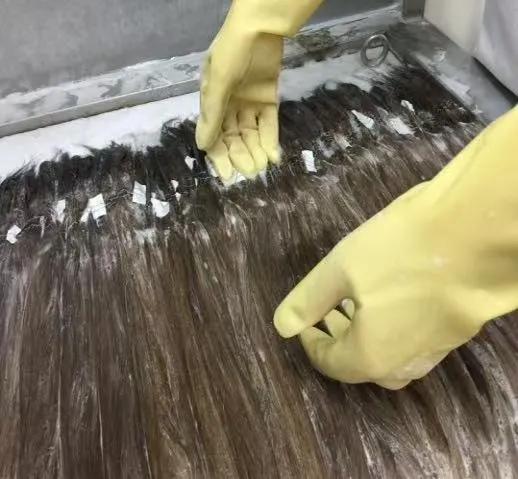
Prime Human Hair preparation reference for a custom human-hair product programme

QUICK ANSWER

The short answer

Send a cap or reference-piece brief with measured fit fields, construction zones and the desired hair specification. State density distribution and total piece weight separately, and confirm how length is defined across the wig. Request a finished sample before production. Gram-based extension minimums and loose-hair sample approvals do not establish a custom wig’s order terms or fit.

On this page

KEY FACTS

What buyers should establish first.

  • The order unit is a finished wig, not a bulk-hair bundle.
  • Cap size, lace/top design, parting and density are separate fields.
  • A density percentage is not a universal amount of hair across suppliers.
  • Material and colour approval cannot replace finished-cap evaluation.

Identify the product and the intended development relationship

State that the request is for a complete human-hair wig and explain whether you are adapting an existing reference or developing a new cap specification. Include your intended sales channel and the features that must be controlled under your brand. If you only need an existing branded model, a resale or wholesale relationship may be simpler than OEM development.

Separate a full wig from a topper, closure, frontal or other partial-coverage piece. These can share material or colour discussions but have different construction and fit requirements. Prepare a separate construction and fit specification for each product type.

Define cap measurements with shared landmarks

Provide the cap measurements required by the selected design and identify how each is taken. Use a diagram or reference sample to resolve the start and end points. A label such as small, medium or custom does not give two production teams a common measurement method. Do not invent a fixed size range when it has not been confirmed for the product.

Record stretch or adjustment features and any constraints that affect fit. If the design changes after the sample, ask whether the measurements and density layout need another review. Personal fitting suitability should be assessed by the appropriate professional; this purchasing checklist does not prescribe an individual wearer’s fit.

Describe the top, lace, parting and hairline as separate zones

Identify the cap construction and the top or lace areas that matter to the design. Ask for the dimensions and boundaries of each relevant zone rather than relying only on a term such as lace-top or silk-top. Define the desired parting region and hair direction so the manufacturer understands which areas must support the intended presentation.

Discuss the hairline and any front-edge requirements on the actual reference. Do not assume that a different lace or base changes only one isolated detail; it can affect construction and inspection. If the supplier proposes an alternative, request a clear comparison and approve the changed design before production.

Custom wig RFQ worksheet
Specification areaBuyer informationSupplier confirmation
CapConstruction and measurement diagramFeasible size, structure and sample method
Lace / topMaterial description and zone dimensionsExact selected construction and boundaries
Parting / directionIntended parting region and hair flowHow the sample will represent it
DensityDistribution by zone and visual referenceMeaning of any density label and inspection method
HairMaterial, processing, usable length and textureFeasibility on the finished wig
ColourPhysical shade and root/highlight placementFinished-piece sample target
Order / packingFinished-piece quantity and presentationMinimum, sample plan and packing identification

Make density distribution more useful than one percentage

Ask what the supplier means by a density label and how it will be represented across the cap. Hairline, parting and other zones may need different visual treatment. A single percentage without a shared reference does not establish total hair quantity, distribution or appearance. Pair the description with the approved finished sample.

Record total finished-piece weight separately where it is relevant, and clarify what includes the cap or other construction material. Do not apply a 100g extension or bulk-hair reference to the complete wig. If a size or length changes, review whether the existing density description still produces the intended result.

Define length, colour and texture on the finished piece

A wig may include different hair lengths in different areas or a finished shape that differs from the starting material length. Identify which length is being quoted and how it is measured. For wavy or curly hair, separate the agreed measurement condition from relaxed appearance, and retain a physical pattern reference.

Colour needs placement instructions as well as a shade target. Roots, face-framing highlights, mixed shades or other distribution should be shown on the intended cap and style. A loose swatch can start the discussion, but it cannot approve the complete wig’s colour arrangement or construction.

Approve a finished sample and its documentation

Evaluate the finished sample against the cap brief, construction zones, density, hairline, parting, material, colour and texture. Record which fields are accepted and which need revision. Keep photos and measurement notes with the identified sample, while avoiding claims of performance or testing that were not actually completed.

After revisions, create one combined approved specification. Confirm packaging, label wording, piece identification and carton allocation separately from the physical wig. A private-label label should reflect the actual material and construction; it should not add unsupported origin, certification or performance claims.

Confirm minimums and timing for the actual piece

Custom wig minimums depend on finished-piece quantity, cap/base complexity and the development required. The gram-per-colour references used for applicable extension orders do not apply. Ask the supplier to separate sample development, revisions, buyer approval, production and transport in the project schedule.

This level of specification is appropriate when you need repeatable OEM control. If the design is still exploratory, identify the few questions a first sample should resolve rather than pretending that every field is final. A clear conditional brief is more useful than a long checklist filled with invented dimensions.

Approve density distribution on the finished cap

A density percentage is not a transferable gram count across different cap sizes or constructions. Ask which zones it describes and inspect the hairline, top, parting and other areas against the agreed sample. Record finished weight separately from the desired visual density.

For a private-label wig, evaluate the complete cap with its hair specification, attachment details and packaging. The box label should identify the approved cap reference, length, colour and other agreed customer-facing fields without turning a texture name into a geographic-origin claim.

Finished-wig sample approval record
AreaRecord
Cap and fitMeasured dimensions and construction zones
Lace / topMaterial specification, coverage and parting area
Hairline and densityZone-by-zone appearance and agreed distribution
HairMaterial definition, usable length, colour and texture after agreed evaluation
OEM presentationFinished-piece identifier, pack fit and approved product information

Further Reading

Explore our product specifications and linked construction references when preparing your sample request.

Choose a cap reference before adapting its specification

A lace-top and a silk-top wig may need different parting, hairline and finish discussions. Identify the reference construction first and list the proposed changes explicitly. Neither a catalogue name nor a hair-texture description establishes geographic origin, a universal density percentage or a cap measurement.

BUYER CHECKLIST

Use this before approving a sample or specification.

  1. Identify a complete wig and the intended OEM relationship.
  2. Attach a cap diagram with measurement landmarks.
  3. Define density zones, parting and hairline separately.
  4. Approve a finished sample and piece-based order specification.

FAQ

Practical questions from B2B buyers.

Can I order a wig using only length and density?

Those fields are incomplete for custom manufacturing. Add cap construction and measurements, lace/top details, hairline, parting, material, colour, texture and packaging so the supplier can evaluate the finished piece.

Does the 100g-per-colour MOQ apply to wigs?

No. It is a conditional reference for applicable gram-based extension or bulk-hair orders. A custom wig requires a finished-piece minimum based on its construction and development needs.

YOUR NEXT STEP

Discuss Your Custom Human Hair Wig

Bring your cap reference, hairline, density and colour requirements to our manufacturing team for sample development.

Request a sampleWhatsApp →Email →