
Buyer Guides

Custom Hair Extension Colors: Solid, Mixed, T-Color, Rooted and Balayage

A custom hair extension colour needs more than a shade number. Buyers should specify the colour structure, physical reference, placement and acceptance method on the intended construction. Solid, piano, mixed, rooted, T-Color, ombre and balayage descriptions can be useful, but suppliers may interpret their boundaries differently. Turn each term into observable fields so the sample and the production order describe the same result.

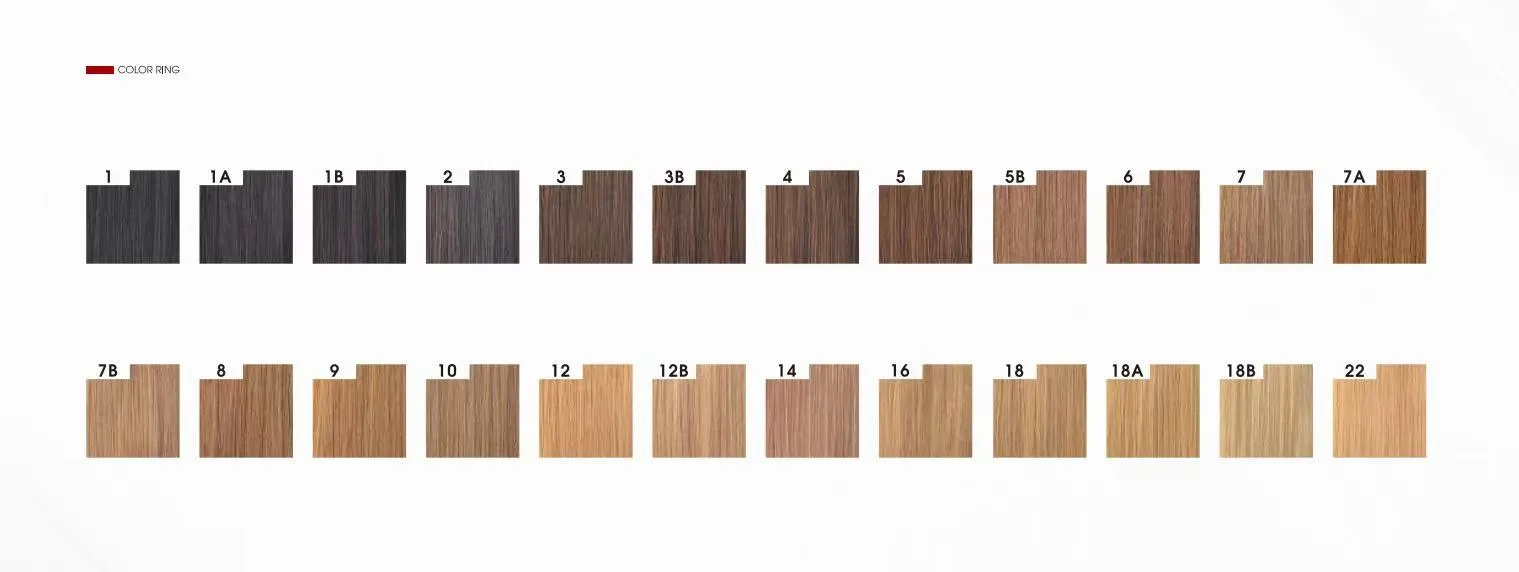
Physical human hair colour ring used for shade matching

QUICK ANSWER

The short answer

Define the base shades and where they appear: a solid tone, a blend, a dark root, a transition or placed highlights. Confirm the target with a physical hair swatch or agreed colour ring, then approve it on the finished product. Screen images and supplier codes are starting references, not universal colour standards or evidence of stock.

On this page

KEY FACTS

What buyers should establish first.

  • Colour type and shade code are separate fields.
  • Root length, blend distribution and transition position must be stated explicitly.
  • Physical sample approval takes precedence over screen appearance.
  • Colour and material processing are connected; a light shade may need its own sample review.

Use colour terms as prompts for measurable questions

Begin by naming the intended structure, then explain what the buyer should see at the root, middle and ends. A supplier may use T-Color for a rooted effect while another uses a different shorthand. Resolve the actual distribution rather than arguing over which marketing term is correct. A simple annotated reference can be more useful than a long list of style names.

The table lists purchasing fields, not claims that every combination is available. Confirm the selected material and construction before using the colour brief as a production instruction.

Colour taxonomy translated into an RFQ
Colour typeDefine in the briefSample check
Solid / Natural shadesOne agreed shade and tone referenceConsistency through the finished product
Piano / Mixed / BlendedComponent shades, proportion and distributionWhether contrast is streaked, mixed or dispersed as intended
Rooted / T-ColorRoot shade, root length and transitionPlacement relative to the attachment and lengths
OmbreStarting shade, ending shade and transition regionProgression through the length
BalayageHighlight placement, contrast and blend patternPattern on the actual finished construction
Blonde / PlatinumPhysical light-shade target and material conditionTone plus the processed sample’s agreed evaluation
Custom Shade MatchingPhysical swatch or ring/code referenceFinished sample against the retained reference

A shade code belongs to an agreed reference system

A number such as #60A or #2C is useful only when both parties know which physical reference it identifies. Do not assume that another supplier’s similarly named colour is identical. Keep the supplier, ring version or swatch identifier in the specification so a later buyer can identify the same target.

The Finland dispatch case records #60A on Genius Weft and #2C on Invisible Tape-In. Keep each shade code linked to its product line and physical colour reference. For a new order, request or provide the actual colour reference and confirm it on the intended construction.

Explain placement on the finished construction

A rooted colour should be reviewed relative to the bond, tape tab, weft seam or base where the hair begins. The same root length can look different when product construction changes the visible starting area. Record whether the root transition must align across all pieces of a set and which side or direction will be visible in use.

For mixed or highlighted designs, define how the component shades are distributed across the product. A blended weft, a tape pair and a multi-piece clip-in set may require different layout instructions. Approving loose coloured hair does not automatically approve the finished pattern after assembly. Ask for the colour sample on the product you intend to buy.

Set a viewing method before judging a match

Use an agreed viewing setup and compare the physical sample with the retained reference. Note lighting, background and the way the hair is arranged so a later discussion can reproduce the comparison. Photos help communicate a concern but can change with exposure, white balance and screen settings; avoid declaring a match solely from a phone image.

Do not invent a numerical colour tolerance without a defined instrument, method and agreement. If your procurement process requires instrumental colour measurement, specify the method and acceptance conditions separately. Otherwise, document the agreed visual reference and assessment process rather than presenting an informal judgement as a laboratory result.

Link colour development to material and MOQ

The requested shade can influence the material and processing discussion. A light-colour sample should therefore be evaluated for the agreed finished-product characteristics, not only whether its tone looks right. Do not translate a colour name into an unsupported cuticle-retention claim or assume that all materials can reach the same target by the same route.

For applicable Prime gram-based orders, regular solid colours use a 100g-per-colour reference and T/Mixed plans use a 200g-per-colour reference, subject to product and batch conditions. These are not fixed rules for wigs or toppers. Ask how an ombre or balayage request is classified for your actual order instead of inferring a minimum from the label alone.

Freeze the colour reference and manage later changes

A colour approval should identify the construction, material, length, physical target and accepted sample. Record root length or blend distribution where applicable, along with any agreed limitations. Keep a retained reference protected from avoidable alteration and identify which version controls the next order.

If you change the base shade, root placement or material, ask which parts of the approval must be repeated. A reordered product with a new colour-ring revision is not automatically the same SKU. This approach is particularly useful for brands building a repeatable range; it may be excessive for a one-off visual exploration that has not yet become a production brief.

Further Reading

Explore our product specifications and linked construction references when preparing your sample request.

BUYER CHECKLIST

Use this before approving a sample or specification.

  1. Name the colour structure and identify its physical shade references.
  2. Define root length, transitions and blend placement where relevant.
  3. Approve the result on the intended finished construction.
  4. Record a new version when colour or material changes.

FAQ

Practical questions from B2B buyers.

Is a colour-ring number the same across suppliers?

Not necessarily. Treat it as a supplier-specific reference until a physical comparison establishes equivalence. Retain the ring or swatch identity with your order specification.

Can a photograph be used to start colour development?

Yes, as a direction. It should not be the only final approval reference because lighting, camera processing and screens can alter appearance. Confirm a physical sample before production.

YOUR NEXT STEP

Develop Your Custom Colour Range

Share a physical swatch, colour ring or existing product. Our team can discuss shade matching and placement on your chosen construction.

Request a sampleWhatsApp →Email →