
Buyer Guides

Hair Extension Factory vs Trading Company: A B2B Verification Checklist

A hair extension factory and a trading company differ in their role in production, but neither label guarantees a better order. A factory may operate relevant manufacturing processes; a trading company may source, coordinate and supply goods made elsewhere. Some businesses combine both roles. For a B2B buyer, the useful questions are which operations are controlled, who holds the approved specification and who is responsible when the finished goods do not match it.

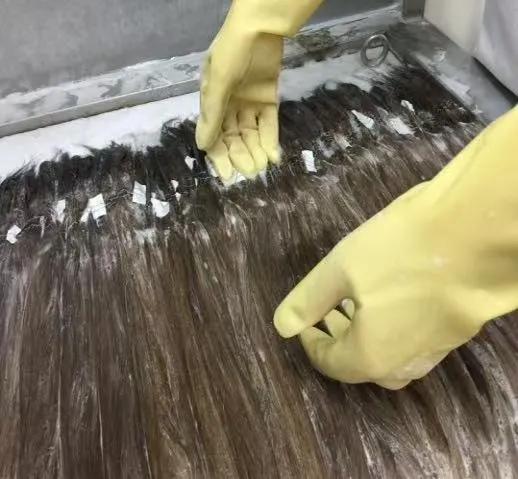
Human hair preparation reference for discussing production responsibilities

QUICK ANSWER

The short answer

Verify the production relationship, not just the label on the website. Ask who operates each relevant process, which entity accepts the order, how specifications reach production and who authorizes changes. A transparent intermediary can be suitable; an undisclosed or uncontrolled production relationship is the issue to resolve.

On this page

KEY FACTS

What buyers should establish first.

  • Factory ownership, product expertise and order accountability are separate questions.
  • A warehouse, catalogue or factory photograph does not independently prove manufacturing ownership.
  • Outsourced operations should be disclosed and controlled, not automatically treated as unacceptable.
  • Keep one agreed specification across all parties involved.

What the three common supply roles mean

A manufacturing operation transforms the material or construction: preparation, colour work, weft-making, attachment formation or other agreed processes. A trading company coordinates supply through one or more manufacturers. A wholesale supplier describes a commercial channel and may be either a manufacturer, trader or brand distributor. The words can overlap, so ask the business to explain its actual role in your selected product.

A supplier can make one line in-house and purchase another. A broad catalogue therefore does not prove that every listed item comes from the same site. This is particularly relevant when a programme spans extensions, wigs and toppers. The right verification unit is the product and process, not the business name in isolation.

Supplier roles and purchasing responsibilities
LabelWhat it can describeWhat still needs verification
Factory / manufacturerAn organization performing manufacturing operationsWhich product, which site and which operations
Trading companyA business coordinating external supplySpecification control and responsible manufacturing partners
Wholesale supplierA B2B purchasing channelWhether goods are stocked, configured or newly manufactured
Professional brandA named product and support programmeFactory relationship and whether OEM/private-label access exists

Ask for an operation-by-operation responsibility map

List the steps that affect your product: raw material selection, colour development, construction, finishing, inspection and packaging. Ask who performs and controls each one. If the contracting business outsources a step, establish who approves its output and how changes are communicated. The map should be specific enough that a discrepancy can be assigned to an owner.

Consider a rooted tape product. One party may develop the hair colour and another may assemble the tape construction. You need to know how root placement is preserved during assembly and who checks the finished piece. A statement that both parties are experienced does not answer how your exact colour layout remains attached to the approved tape specification.

Evidence that supports a role claim

Evidence may include an explained legal relationship, a product-specific visit, live process discussion, sample records and a documented inspection workflow. Assess these together. A photograph can show a process but not ownership; a business document can identify an entity but not prove that its output meets your specification. Avoid asking one document to answer every question.

Where sensitive material is involved, use private sharing and redaction. Do not request another customer’s unapproved designs or publish private business details. A supplier’s willingness to protect confidentiality can coexist with a useful explanation of its own role. If necessary, arrange a separately scoped independent check rather than upgrading informal evidence into a certification claim.

The buyer’s control checklist

Use this worksheet before comparing commercial terms. The answers matter whether your partner calls itself a factory, manufacturer, trader or wholesale supplier.

Control questions for any supply relationship
Control pointAsk the supplierUseful written answer
Specification ownerWho keeps the approved sample and current revision?Named responsibility and sample identifier
Material selectionCan the source or grade change without approval?Disclosure and change-authorization rule
ConstructionWho makes the selected attachment or weft?Relevant site or disclosed production relationship
InspectionWho checks the finished goods against the approval?Method, criteria and release responsibility
SubstitutionWhat happens if the original configuration cannot be repeated?Buyer review before a changed product is made
DiscrepancyWho receives evidence and decides corrective action?A clear reporting and investigation process

When a direct factory relationship can fit

A direct manufacturing discussion can suit a brand that needs to develop a construction, coordinate colour processing with production or maintain a detailed repeat-order specification. It can give the buyer a more direct technical conversation when the relevant operation is genuinely controlled by that factory. It does not remove the need for sample approval, clear acceptance criteria or documented changes.

It may be a poor fit when the buyer has not defined the product or cannot allocate time for development. A small brand seeking a broad assortment of unrelated ready-made items may prefer an organized supply partner. The trade-off is not simply direct versus indirect; it is how much development control and coordination the programme needs.

When a trading or wholesale relationship can fit

An intermediary can be useful when coordinating several product types, consolidating supply or supporting a buyer that cannot manage multiple production relationships. Evaluate whether that coordination is visible and accountable. Ask how the intermediary retains approved samples, checks supplier changes and prevents one product’s specification being substituted for another.

The relationship becomes unsuitable when important production facts remain hidden, the specification changes between parties or responsibility disappears after a discrepancy. Those risks can also exist in a business calling itself a factory. Choose the arrangement with evidence and workable controls, not the strongest self-description.

Further Reading

Explore our product specifications and linked construction references when preparing your sample request.

Ask who owns the production and inspection decisions

Review the manufacturing workflow alongside the quality-control process. In either a direct or intermediary relationship, identify who approves the specification, who records inspection results and who can authorize a corrective action. A process description helps frame those questions but does not replace verification of your actual supplier arrangement.

BUYER CHECKLIST

Use this before approving a sample or specification.

  1. Identify the contracting business and relevant manufacturing relationship.
  2. Map material, colour, construction, inspection and packaging responsibilities.
  3. Keep the approved sample and revision available to the responsible parties.
  4. Agree how changes and discrepancies are handled before production.

FAQ

Practical questions from B2B buyers.

Is a trading company always a worse choice?

No. A transparent, capable trading partner can coordinate a useful supply programme. Compare specification control, relevant product knowledge, inspection and accountability. The title alone does not establish quality or reliability.

Does an in-house factory mean nothing is outsourced?

Not necessarily. Ask about the particular product and operation. A company may manufacture some steps and outsource others; the important issue is whether those relationships and their quality controls are clear.

YOUR NEXT STEP

Discuss a Manufacturing Partnership

Share a current product or the collection you want to develop. Our Qingdao team can discuss sampling, custom specifications and repeat wholesale production.

Request a sampleWhatsApp →Email →