Buyer Guides

How to Find a Reliable Hair Extension Factory in China

A reliable hair extension factory should explain how your product will be made, how its quality will be checked and who will handle changes or problems. Start with one product and a written specification. Use the factory discussion, sample evaluation and production records to assess whether the supplier can support your collection over repeat orders.

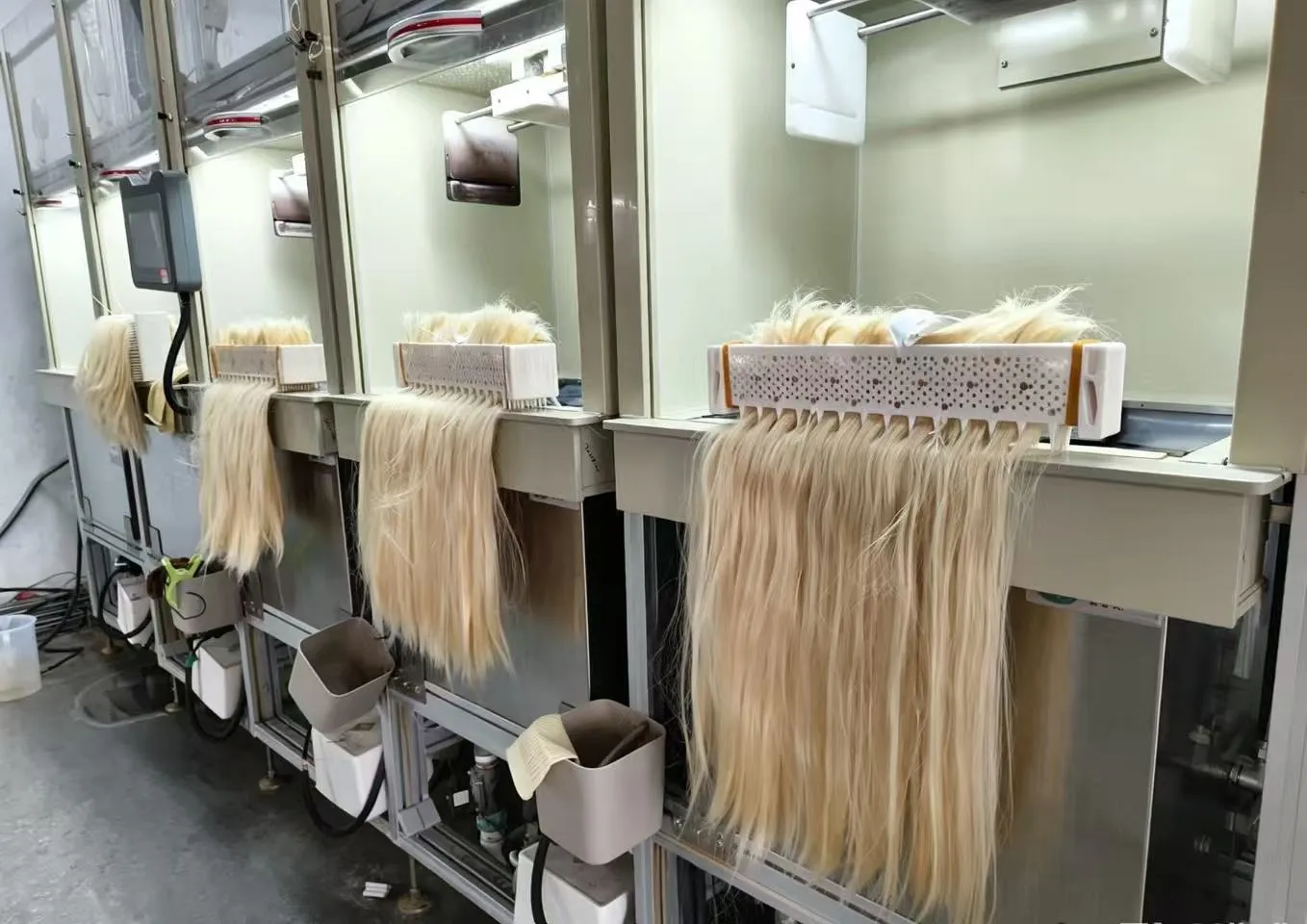
Existing Prime Human Hair workshop photograph for manufacturing discussion

QUICK ANSWER

The short answer

Check three things before ordering: the company responsible for manufacturing, the quality of a representative sample, and the process for production and inspection. Keep the approved sample, specification and responsible contacts together so the order can be followed from development to dispatch.

On this page

KEY FACTS

What buyers should establish first.

  • Verify the facility relevant to your product, not only a showroom or warehouse.
  • Compare production with the retained sample and agreed inspection criteria.
  • A visit or live video can support due diligence but is not a complete independent audit.
  • Use the same product brief and evaluation method across shortlisted suppliers.

Write a narrow brief before asking broad factory questions

Start with the product you actually intend to buy. “Good human hair” is too vague to test. Specify the construction, usable length, weight basis, physical colour target, texture, material description and pack layout. Mark unknown fields as questions instead of silently accepting the supplier’s default. This makes the response itself useful evidence of technical communication.

For a first review, avoid changing hair grade, shade, length and attachment at the same time. Choose one representative configuration and one deliberately difficult requirement, such as a rooted colour transition or an agreed seam layout. Ask whether the proposed sample uses the process intended for production. A display sample from another programme may not answer that question.

Connect the commercial entity to the production site

Ask who will accept the order, who operates the relevant manufacturing facility and whether other companies perform specific operations. Obtain the business names and addresses through an appropriate private due-diligence process, then compare them with the quotation and proposed order documentation. Do not publish private identifiers or assume that a difference in names is automatically misconduct; request an explanation.

A supplier may coordinate colour work, attachment construction or packaging across different sites. What matters is whether the relationship is disclosed and whether the contracting business controls your approved specification. Ask who can authorize a material change and who investigates a discrepancy. A direct factory can still have weak documentation, while a transparent trading partner may coordinate a controlled programme.

Use a visit or live video to answer specific questions

Request a walkthrough that follows the selected product from material preparation into construction and inspection. Ask to see the relevant operation and its identification system, while respecting other customers’ confidential designs and worker privacy. A prepared factory film is useful context, but it cannot by itself prove which site or process will handle your order.

During a live call, ask the host to explain how a sample reference becomes a production instruction. You are looking for a coherent process, not a staged performance of every operation. If an operation is off-site, record that fact and ask how its output is checked. Do not infer capacity or certification from the number of machines visible in a video.

Printable factory-verification worksheet

Copy the following table into your sourcing record. Fill the evidence and follow-up columns privately after each discussion. Record the next action and responsible contact for each open question.

Factory review record: questions and evidence to request
AreaQuestionEvidence to retainIf unresolved
IdentityWho contracts, manufactures and approves changes?Written relationship and responsible contactsClarify before placing an order
Relevant processWhere is this construction made?Product-specific walkthrough or agreed visit notesDo not substitute unrelated factory footage
SampleDoes it represent the proposed production route?Identified sample and written specificationRequest a representative sample
InspectionWhat is checked and how is it recorded?Agreed method and example redacted recordDefine the missing acceptance criteria
TraceabilityCan the approved version follow the batch?Revision and lot-identification approachAsk how mixed versions are prevented
After-salesWho investigates a discrepancy?Written reporting and response processResolve responsibility before shipment

Evaluate the sample without confusing appearance and proof

Inspect the sample using the same method you will use for a later comparison: weight basis, usable length, colour under agreed lighting, construction dimensions and pack count. If you perform washing or handling trials, record the product, procedure and observations. An unrecorded impression cannot be reproduced by another buyer or inspector.

Keep a reference sample unchanged where practical and identify any sample used for destructive or alteration testing. If the manufacturer corrects a concern, request the revised sample or a clearly documented corrective action before approval. A sample revision is not a failure by itself; a revision that cannot be explained or traced is a sourcing risk.

Decide when to proceed, pause or choose another route

Proceed when the supplier’s identity, responsibilities and sample record are sufficiently clear for your project’s risk. Pause when essential fields are unanswered, proposed substitutions are unexplained or a production promise conflicts with the sample. Use a smaller defined trial if it can answer a specific uncertainty; do not place a large order merely to discover whether a vague promise was accurate.

Direct custom manufacturing suits buyers prepared to approve specifications and manage development. If you need a known branded product immediately, a professional distribution channel may be a better fit. The purpose of factory verification is to choose a workable relationship, not to prove that every other supply model is inferior.

Ask OEM-specific questions before choosing the supplier

An OEM supplier review should test whether the business can manage your custom specification, not only reproduce a familiar catalogue name. Ask which construction fields can change, how a new shade or texture is sampled, and how revised artwork is kept aligned with the product. Request an explanation of responsibility for work performed outside the quoted facility.

OEM supplier discussion: decisions beyond a factory tour
QuestionUseful answer format
Which fields are custom versus an existing reference?A marked specification showing changes and feasibility questions
How does a revision replace an earlier sample?A sample identifier and current written approval version
How are confidential designs and artwork handled?The proposed access and handling arrangements for your project
What triggers renewed sampling?A stated review process for material, colour, attachment or packaging changes
What happens when the lot differs from approval?A named contact, evidence request and agreed review process

Further Reading

Explore our product specifications and linked construction references when preparing your sample request.

BUYER CHECKLIST

Use this before approving a sample or specification.

  1. Keep the contracting and production relationship in one private record.
  2. Follow the actual product through the relevant operations.
  3. Separate supplied evidence from unresolved claims.
  4. Approve a sample and written specification before production.

FAQ

Practical questions from B2B buyers.

Can a video call replace an independent factory audit?

No. It can answer targeted questions and show current activity, but its scope is limited. If your purchasing policy requires independent verification, arrange an appropriately scoped audit rather than describing a video call as one.

What if a factory will not share another customer’s inspection record?

Respect that confidentiality. Ask for a redacted example, a blank inspection form or a demonstration using your own sample. The objective is to understand the process, not obtain someone else’s commercial information.

YOUR NEXT STEP

Discuss a Manufacturing Partnership

Share a current product or the collection you want to develop. Our Qingdao team can discuss sampling, custom specifications and repeat wholesale production.

Request a sampleWhatsApp →Email →