
Buyer Guides

Invisible Tape-In vs Regular Tape-In: Wholesale Specification Checklist

Invisible Tape-In and regular Tape-In should be compared by the actual tab and hair arrangement, not only by how discreet a product looks in a styled photograph. For wholesale purchasing, define tape-piece weight, tab dimensions, hair direction near the base, piece count and replacement-tape requirements. Names such as invisible, injected or seamless do not automatically identify one shared construction. Use the selected reference and a physical sample to establish what you are buying.

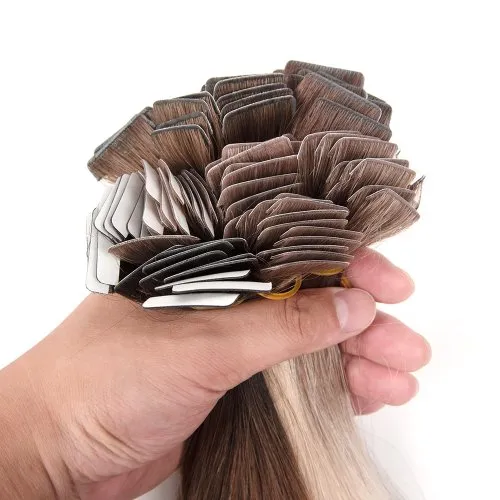
Invisible Tape-In reference showing the product’s attachment area

QUICK ANSWER

The short answer

Ask for a single-piece specification and a separate pack specification. Compare the base, hair distribution, tab dimensions and permitted maintenance process on the exact Invisible or Classic reference. Treat 2g, 2.5g, 3g and 4g per tape piece as enquiry examples requiring validation; do not apply them automatically to every model or long-strip tape.

On this page

KEY FACTS

What buyers should establish first.

  • A tape piece, a pair and a complete pack are different counting units.
  • Piece weight must say whether tape/base material is included.
  • Tab width and height are independent of the hair-weight target.
  • Replacement and removal requirements need construction-specific confirmation.

Identify what invisible means on the selected product

Request close-ups of the selected tape reference from both sides and inspect where the hair emerges relative to the tab. Injected and other concealed-base designs can differ between suppliers. Compare the physical structure, hair placement and tab finish of each sample.

Compare it with the Classic Tape-In reference using the same viewing setup. Note the near-base hair distribution, attachment dimensions and finished edges. Avoid treating a photograph taken in favourable lighting as evidence that the base will be undetectable in every use; suitability needs assessment in the intended professional application.

Write the single-piece and pack specifications separately

For each piece, record the agreed hair length, weight basis and tab dimensions. For the pack, state piece count and whether any pair or sandwich terminology is being used. If the supplier describes ten pairs and the buyer expects ten individual pieces, the mistake can survive a discussion that only mentions total grams.

The 2g, 2.5g, 3g and 4g examples are not confirmed production options for every tape construction. They must be validated on the corresponding product sample. A Long-Strip Tape-In uses a different strip definition and should not automatically inherit the same small-tab figures.

Tape-In RFQ: piece, base and pack controls
FieldRegular / Classic checkInvisible / alternative-base check
Tab dimensionsMeasure the selected tab width and heightMeasure the selected base; do not assume the Classic size
Hair arrangementReview distribution at the tab and directionReview hair emergence and coverage over the base
Piece weightState net hair or finished pieceState net hair or finished piece on the exact model
Pack contentsCount individual pieces and identify pairs if usedUse the same explicit counting method
MaintenanceConfirm removal and replacement instructionsConfirm instructions appropriate to this base
Long-strip formatTreat as a separate strip specification if selectedDo not transfer standard tab examples automatically

Assess hair direction and distribution, not only total grams

Inspect the attachment area and the distribution of hair across the tab. Look for the characteristics specified in your brief and record the method used. Two pieces with the same stated weight may have different base dimensions or distribution, affecting how the product should be evaluated for its intended application.

Keep colour placement visible in the inspection. A rooted tape sample needs the transition confirmed relative to the attachment, and mixed shades should follow the approved distribution across the piece and pack. Approve the colour on a finished tape piece so the attachment and hair distribution are part of the assessment.

Ask about replacement tape and the maintenance cycle

Before ordering, ask which replacement materials and maintenance procedure are approved for the exact construction. Record whether the base can be reused under the supplier’s stated conditions, what must be replaced and which steps require professional handling. Do not assume that two tape products accept the same replacement solely because the tab widths look similar.

If maintenance performance is part of your sample programme, agree a repeatable method with a qualified professional and retain the observations. Do not promise a universal wear duration or number of reuse cycles without evidence for that product and procedure. A wholesale guide should identify the questions, not invent performance results.

Use the Finland order without inventing a tape-piece count

The Finland case records Invisible Tape-In #2C at 100g alongside a Genius Weft line. It establishes the tape order-line total and shade reference, but not the number or weight of individual tape pieces. The page explicitly keeps that boundary. You cannot choose a common piece-weight example and turn it into a historical count.

For a similar enquiry, add the missing fields: exact invisible construction, tab size, individual-piece count, piece-weight basis and physical shade reference. This makes the case useful as a starting product combination while avoiding the false impression that it is a complete technical production sheet.

Decide which construction to approve for your programme

Choose the construction that meets the intended professional method and your documented sample criteria. An alternative base may be worth developing if its actual appearance and handling answer a specific need. A familiar Classic format may remain appropriate where it already matches the application and support process. No universal winner is established by the names alone.

Keep the approved base, dimensions, material, colour and pack contents as one versioned specification. If the supplier later changes the base or adhesive system, treat it as a review point even if the hair looks unchanged. Packaging and support instructions must remain aligned with the product actually supplied.

Keep a replacement-tape compatibility record

Record the replacement material as a separate part of the approved system. A matching width alone does not establish compatibility with the base or the intended removal process. Ask which adhesive format, preparation, liner and removal materials apply, and who will assess the sample during professional maintenance.

Tape maintenance specification to approve before ordering
RecordAcceptance question
Base reference and dimensionsIs the replacement intended for this exact construction?
Replacement adhesive formatWhich tape and liner are included, and what is ordered separately?
Preparation and removalAre the written steps appropriate to this base and replacement product?
Evaluation methodWhat handling and maintenance sequence will be observed on the sample?
Change controlDoes a new base or adhesive require renewed approval and revised care information?

Further Reading

Explore our product specifications and linked construction references when preparing your sample request.

BUYER CHECKLIST

Use this before approving a sample or specification.

  1. Specify individual pieces, pairs and pack totals unambiguously.
  2. Record tab dimensions independently from weight.
  3. Inspect hair distribution and colour near the attachment.
  4. Confirm construction-specific replacement and maintenance requirements.

FAQ

Practical questions from B2B buyers.

Does 100g of tape hair identify the number of pieces?

No. You also need the agreed weight per piece and the same inclusion basis. A pack total alone cannot establish whether attachments are included or how many pieces were supplied.

Are all Invisible Tape-In products injected?

Do not assume that from the name. Ask for the exact product reference and construction description, then inspect the sample’s base and hair emergence.

YOUR NEXT STEP

Build Your Tape-In Collection

Choose the base construction, piece weight, colour and pack format for your salon or brand. Contact us to discuss samples and wholesale production.

Request a sampleWhatsApp →Email →