
PROFESSIONAL HAIR EXTENSION GUIDE

How to Switch Hair Extension Suppliers Without Losing Product Consistency

A supplier change does not need to start with an entire range. Start with one commercially important product and a clear record of which characteristics must remain consistent.

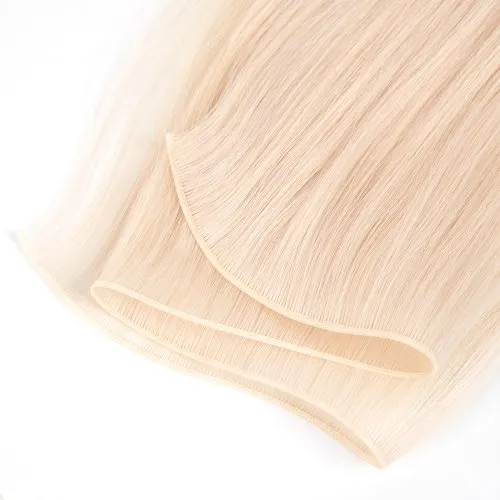
Human hair extension sample for written specification and physical approval

QUICK ANSWER

The short answer

Document one current SKU, send a physical reference, agree a matching sample specification, test both products side by side, approve the reference and written version, then evaluate a controlled first order before expanding.

On this page

KEY FACTS

What buyers should establish first.

  • Start with one identified product.
  • A physical reference is stronger than a screen image.
  • Use the same comparison method for both samples.
  • Approve the sample and written specification together.
  • Keep first-order and repeat-order changes traceable.

1. Document the current product

Record construction, hair definition, usable length, net hair weight, end fullness, colour, strand or piece count, packaging and the selling unit. Separate characteristics that must match from improvements you are willing to consider.

Where the old supplier has no written specification, measure the physical reference and record what is known and what still needs agreement. Keep the sample labelled so later comparisons use the same product.

2. Send a physical reference and define the sample

A current finished extension helps communicate colour placement and construction. A colour ring or swatch can support the brief; a photograph alone cannot guarantee exact colour or structural matching.

Confirm sample feasibility, quantity, cost and timing for the intended material and colour. Do not transfer historical sample terms to a new quotation without confirmation.

3. Test both samples under the same conditions

Compare the hair and attachment before and after the same handling steps. Retain the approved sample and observations as the reference for the first production order and later replenishment.

Supplier-transition comparison record
FieldRecord and compare
ColourPhysical shade, root, transition and blend placement
Weight and lengthNet hair grams, usable length and measurement method
FullnessLength profile, measurement method and reference positions
ConstructionWeft edge, tape tab or keratin bond dimensions and stability
HandlingSame washing, drying, brushing and styling procedure
Pack configurationPieces or strands, labels, selling unit and packaging

4. Approve a physical sample and written version

Record accepted differences, tolerances and any outstanding changes. Keep the approved physical sample linked to its specification, colour reference and SKU.

If the sample is revised, label the new version and record what changed. A message saying “same as before” is not a substitute for an identified production reference.

5. Review a controlled first production order

Confirm the first order scope, pack units, packaging and shipment details. Compare received production with the approved reference before widening the transfer to other colours or constructions.

Document any issue against the same acceptance criteria, retain the affected sample and agree the next step with the supplier. Expand only after the product and repeat-order process have been reviewed.

6. Keep repeat orders traceable

Retain the physical sample, written specification, artwork revision and order record. A change to material, colour, attachment or pack configuration needs its own approval.

The same process can qualify a primary supplier, a backup manufacturer or a second source. Each route still needs its own approved product reference.

BUYER CHECKLIST

Use this before approving a sample or specification.

  1. Select one current SKU.
  2. Record the non-negotiable product characteristics.
  3. Send the physical product and colour reference.
  4. Agree sample scope and terms.
  5. Use one side-by-side test method.
  6. Approve the sample and specification version.
  7. Review a controlled first order.
  8. Record changes before repeat production.

FAQ

Practical questions from B2B buyers.

Must I replace the whole range at once?

No. Qualify one product and review its first production order before extending the transfer.

Can a photograph replace the reference sample?

No. It can communicate direction, but light, camera and screen differences prevent exact approval.

Will the new sample be identical?

Do not assume identity before testing. Agree the measurable requirements, tolerances and accepted differences.

Can this process qualify a backup supplier?

Yes. Retain a distinct approved sample and written version for the backup source.

YOUR NEXT STEP

Discuss a Manufacturing Partnership

Share a current product or the collection you want to develop. Our Qingdao team can discuss sampling, custom specifications and repeat wholesale production.

Request a sampleWhatsApp →Email →